Best Foods to Eat After a Tooth Extraction: What Your North Hollywood Dentist Recommends
The tooth is out — the hard part is done. Now comes the part most patients underestimate: the recovery. What you eat after a tooth extraction has a significant impact on how quickly and comfortably you heal.
The wrong foods after a tooth extraction can dislodge the blood clot forming in the socket — leading to the painful condition called dry socket. The right foods, however, make healing faster and keep you comfortable while your mouth does its work. Here is exactly what to eat, what to avoid, and for how long, straight from the team at A-Dental Center in North Hollywood.
Why the Right Foods After a Tooth Extraction Matter So Much
What Happens Inside the Socket After Extraction
After a tooth is removed, a blood clot forms in the empty socket. This clot is critical — it protects the bone and nerve endings underneath and serves as the foundation for healing tissue to grow. Anything that disturbs this clot can cause it to dislodge prematurely.
What Dry Socket Actually Is
When the clot is disrupted — by suction, pressure, hard textures, or heat — the bone underneath becomes exposed to air, food, and bacteria. The result is dry socket: an intensely painful condition that sets back recovery by a week or more. According to the Mayo Clinic, dry socket is the most common complication following tooth extraction — and diet is one of the most controllable risk factors.
Why the Tooth May Have Needed to Come Out
Understanding why the tooth needed to come out is also helpful context. If decay progressed too far, our post on what happens if you don’t fill a cavity explains that progression in detail — and confirms why catching decay early is always preferable to extraction.
Best Foods After a Tooth Extraction: Day 1 (First 24 Hours)
Stick Exclusively to Soft, Cool Foods
For the first 24 hours, the best foods after a tooth extraction are soft, cool, or room-temperature options that require absolutely zero chewing. Good choices include:
- Applesauce — smooth, cool, and easy to eat
- Yogurt — plain or smooth only, with no granola or fruit chunks
- Smoothies — nutritious, but never use a straw. The suction can dislodge the clot directly.
- Ice cream or sorbet — the cold also helps reduce swelling naturally
- Broth-based soups — lukewarm only, never hot
- Pudding or Jell-O — easy to eat and gentle on the socket
- Mashed bananas — soft, nutritious, and require no chewing
A Note for All-on-4 Patients
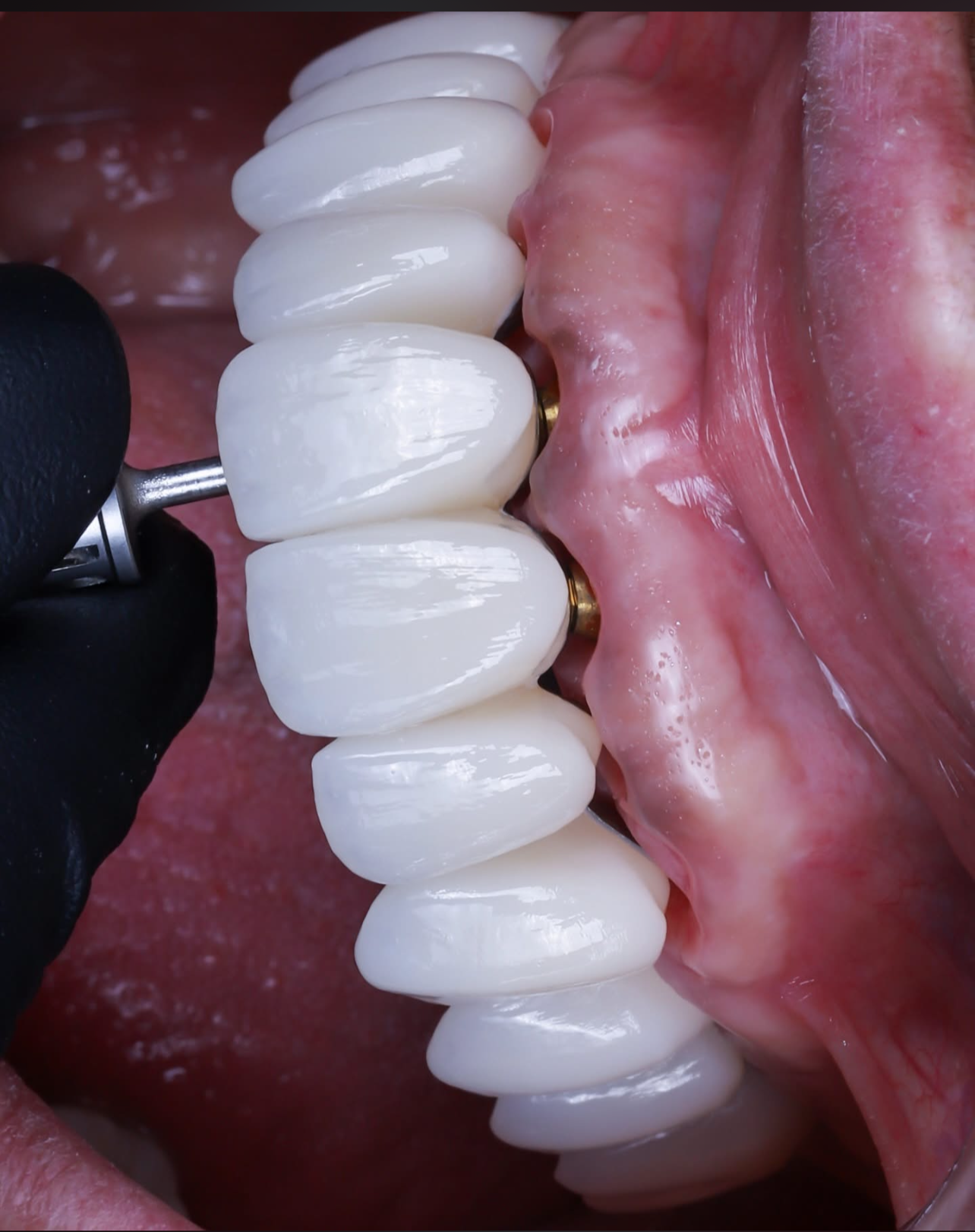
The same soft food principles apply to patients recovering from All-on-4 dental implant surgery. Our post on All-on-4 recovery goes into additional detail on nutrition during the full healing phase.
Best Foods After a Tooth Extraction: Days 2 and 3
Introducing Slightly More Substantial Soft Foods
As the initial tenderness begins to ease, you can slowly introduce slightly more substantial soft foods. The key is choosing anything that requires minimal chewing and does not involve biting down near the extraction site. Good options during this phase include:
- Scrambled eggs
- Mashed potatoes — no skins or lumps
- Soft cooked oatmeal
- Avocado
- Hummus
- Soft fish such as tilapia or cod
- Soft cooked pasta
- Bananas and ripe, soft fruits
Why Nutrition Still Matters During Recovery
Adequate protein and nutrients during days two and three support tissue repair significantly. Soft fish, eggs, and yogurt all provide protein without requiring any chewing force near the extraction site. Consequently, patients who prioritize nutrition during this phase typically heal faster.
Best Foods After a Tooth Extraction: Days 4 Through 7
Gradually Reintroducing Normal Foods
By day four or five, most patients can begin reintroducing softer versions of their normal diet — as long as there is no unusual pain, swelling, or signs of complication. Chewing on the opposite side of the mouth from the extraction site remains important throughout this entire week.
Watch for Cold Sensitivity
If you notice tooth sensitivity to cold in the days following extraction — particularly on teeth adjacent to the extraction site — this is usually temporary. Sensitivity that resolves as healing progresses is normal. However, persistent sensitivity beyond two weeks warrants a call to our office immediately.
Foods to Avoid After a Tooth Extraction
What to Eliminate Completely During Recovery
Knowing which foods after a tooth extraction to avoid is just as important as knowing what to eat. These items should be eliminated entirely during the recovery period:
- Hard and crunchy foods — chips, popcorn, crackers, and nuts all pose significant clot disruption risk
- Chewy foods — gum, tough meats, bagels, and gummy candy
- Hot foods and drinks — heat increases bleeding and delays healing significantly
- Spicy foods — these can irritate the healing socket directly
- Alcohol — interferes with healing and interacts with pain medications
- Carbonated drinks — the fizz can disturb the clot
- Straws — the suction is one of the top causes of dry socket
What Dental Research Confirms
The American Dental Association specifically highlights straw use and smoking as the two most preventable causes of dry socket. Both create suction that directly disrupts clot formation. Additionally, Healthline confirms that avoiding these risk factors dramatically improves extraction outcomes.
Signs of Dry Socket to Watch For After a Tooth Extraction
When to Call Your Dentist Immediately
Dry socket typically develops 3–5 days after extraction. Knowing the warning signs helps you act quickly before the condition worsens. Signs include:
- A sudden increase in pain — often radiating to the ear or jaw
- A bad taste or smell in the mouth
- Visually seeing bone in the socket rather than a dark blood clot
If you suspect dry socket, call us immediately at (818) 593-0700. It is treatable quickly and effectively — you do not need to suffer through it.
Planning for Tooth Replacement After Extraction
Why Leaving a Gap Untreated Creates More Problems
Once a tooth is removed, planning for its replacement becomes the next important step. Leaving a gap untreated has real consequences. Our post on how many teeth adults have and what happens when you lose one covers bone loss, shifting teeth, and why timely replacement matters significantly.
Comparing Your Replacement Options
For a detailed comparison of all replacement options available in North Hollywood, read our post on dental implants vs. bridges. Understanding your options early makes the transition from extraction to replacement much smoother and less stressful.