Same-Day Appointments Available Now
Bone Grafting for Dental Implants in North Hollywood, CA
Permanent replacement for multiple missing teeth using dental implants — no grinding of healthy adjacent teeth. Fixed, stable, bone-preserving.
- ★ 700+ Five-Star Google & Yelp Reviews
- ✓ USC-Trained & ICOI-Credentialed Dentist
- ✓ Bilingual Team, Se Habla Español
- ✓ Most PPO Insurance Accepted
- ✓ Same-Day & Emergency Appointments
★★★★★
4.9
Google Rating
★★★★★
700+
Five-Star Reviews on Google & Yelp
25+
Years in NoHo
USC
School of Dentistry
ICOI Fellow
Top 5% of Implant Dentists
Same
Day Appointments Available
Medically reviewed by Dr. Fadi Elzayat, DDS, FICOI — USC School of Dentistry graduate, Fellow of the International Congress of Oral Implantologists. 26+ years of clinical experience in implant dentistry, oral surgery, and bone augmentation.
Bone grafting rebuilds areas of jawbone that have weakened due to missing teeth, gum disease, trauma, or long-term denture wear. The procedure places bone or biocompatible bone-substitute material at the deficient site, which then integrates with your existing bone over several months to create the volume and density needed for safe dental implant placement.
At A-Dental Center in North Hollywood, Dr. Fadi Elzayat, DDS, FICOI, performs bone grafting procedures to help patients from North Hollywood, Burbank, Studio City, Sherman Oaks, and the San Fernando Valley qualify for dental implants and improve long-term implant stability. Every procedure is planned using Cone Beam 3D imaging and performed in-house, with no referrals to outside oral surgeons.
Healing Time
3 to 6 Months
Before implant placement. Socket preservation grafts may heal faster.
Simultaneous Implants
Possible in Select Cases
When existing bone can stabilize the implant at placement.
Anesthesia
Local + Sedation Available
Most patients are surprised how manageable recovery is.
Most Common Questions, Answered Directly
Why is bone grafting needed?
Bone loss occurs naturally after tooth loss. Grafting restores volume so dental implants have a stable, lasting foundation. Without enough bone, implants cannot be securely placed and are at high risk of failure or sinus penetration in the upper jaw.
Does bone grafting hurt?
The procedure is performed under local anesthesia with sedation available. Mild soreness for 2 to 4 days is normal and managed with medication. Most patients are surprised by how manageable recovery is. Dr. Elzayat monitors progress with follow-up imaging.
How long does healing take?
Most grafts integrate over 3 to 6 months before implant placement. Minor socket preservation grafts placed at the time of extraction may heal faster. Dr. Elzayat uses Cone Beam 3D imaging to confirm bone maturity before scheduling implant surgery.
Can implants be placed during grafting?
In select cases where existing bone is sufficient to stabilize an implant, simultaneous placement is possible. This is called immediate implant placement and reduces total treatment time. Dr. Elzayat determines candidacy based on your 3D imaging results.
Not sure if you need a bone graft? A free consultation with Dr. Elzayat includes 3D imaging and a complete written treatment plan.
Why Jawbone Loss Happens — And Why It Matters
Bone loss in the jaw is more common than most patients realise, and it progresses silently with no pain until the damage becomes significant. Understanding the five main causes helps you act before your implant options become limited.
Missing Teeth
The jawbone at each missing tooth site begins resorbing within months of extraction. Without a tooth root stimulating the bone, the body treats that area as unnecessary and gradually reabsorbs it.
Gum Disease
Advanced periodontitis destroys the bone supporting the teeth. As the bacterial infection deepens below the gum line, it erodes the alveolar bone that anchors teeth in place — often irreversibly without treatment.
Long-Term Denture Wear
Dentures sit on top of the gum and do not stimulate bone the way implants or tooth roots do. Over years, the jawbone beneath a denture progressively shrinks, causing the denture to loosen and the face to appear sunken.
Trauma or Infection
A jaw injury, failed dental work, or dental abscess can destroy bone in the affected area. Bone lost to infection or trauma does not regrow on its own and typically requires grafting before implants can be placed.
Natural Anatomy
Some patients have naturally thin bone ridges or large sinuses that create insufficient volume for implants even without prior bone loss. This is particularly common in the upper back jaw where the maxillary sinus sits close to the ridge. A sinus lift addresses this specific case.
Bone loss progresses silently. Most patients are unaware of how much bone they have lost until a dentist measures it with 3D imaging. Early intervention with grafting preserves your implant candidacy and prevents the more complex and expensive treatment that advanced bone loss requires. The sooner you act, the simpler and more predictable the outcome.
Types of Bone Graft Material Used at A-Dental Center
Dr. Elzayat selects the appropriate graft material based on your specific deficiency, anatomy, and treatment goals.
Autograft Gold Standard
Bone harvested from your own body (chin, jaw, or hip). Highest success rate. Contains living cells that promote faster bone growth.
Allograft
Processed human donor bone. No second surgical site needed. Larger quantities available. FDA-cleared and rigorously sterilized.
Xenograft
Bovine (cow) bone, processed and sterilized. Abundant supply. Predictable integration. Widely used for socket preservation and sinus lifts.
Synthetic Graft
Biocompatible materials (calcium phosphate, bioactive glass). No biological material, no disease transmission risk. Customizable for specific defect geometry.
Types of Bone Grafts
| Graft Type | Source | Best For | Healing Time |
|---|---|---|---|
| Autogenous | Your own bone (chin or jaw) | Largest defects — strongest integration | 4–6 months |
| Allograft | Processed donor bone | Most common — versatile for all defect sizes | 3–5 months |
| Xenograft | Bovine (cow) bone | Small to medium defects — excellent scaffold | 3–5 months |
| Alloplast | Synthetic material | Minor defects, socket preservation | 3–4 months |
| Socket Preservation | Placed at time of extraction | Prevents bone loss immediately after extraction | 2–3 months |
Not sure if you qualify? Let Dr. Elzayat evaluate your case.
Free consultation at A-Dental Center in North Hollywood.
📞 Call (818) 593-0700 📅 Book Free ConsultationProcedure Steps
| Step | What Happens |
|---|---|
| 1 — Consultation & CBCT Imaging | Free evaluation. Cone Beam 3D imaging measures exact bone volume and density. Treatment plan created. |
| 2 — Preparation | Area numbed with local anesthesia. Sedation available. Surgical site prepared. |
| 3 — Graft Placement | Graft material placed at the deficient site. Membrane placed over graft to protect it during healing. |
| 4 — Closure | Site sutured closed. Detailed post-operative care instructions provided. |
| 5 — Healing Period (3–6 Months) | Graft integrates with natural bone. Follow-up visits with X-rays monitor progress. |
| 6 — Implant Placement | Once bone is confirmed sufficient by imaging, dental implant(s) are placed. |
Healing Timeline
| Timeframe | What to Expect |
|---|---|
| Days 1-3 | Swelling, soreness, possible minor bruising. Soft diet. Pain medication as prescribed. |
| Days 4-7 | Swelling peaks then improves. Most patients resume normal activities. Sutures dissolve. |
| Weeks 2-4 | Discomfort fully resolved. Diet gradually expands. Graft integrating. |
| Months 1-3 | Graft maturing. Follow-up X-ray to assess progress. Bone density increasing. |
| Months 4-6 | Final imaging confirms graft success. Implant placement scheduled. |
Bone Grafting vs Skipping It
| With Bone Grafting | Without Bone Grafting (when needed) | |
|---|---|---|
| Implant candidacy | ✅ Restored — implant can be placed | ❌ Implant cannot be safely placed |
| Bone volume | ✅ Rebuilt to support implant | ❌ Continues to shrink over time |
| Long-term success | ✅ Comparable to patients without bone loss | ❌ Implant failure risk — or no implant possible |
| Facial structure | ✅ Preserved | ❌ Jaw shrinks — face changes shape |
| Future cost | ✅ One-time investment | ❌ Escalating cost as bone loss worsens |
⭐⭐⭐⭐⭐ “The doctor was very insightful and took the time to explain the root cause of my dental issues in a way I could understand.”
— V.C.
Meet Your Dentist
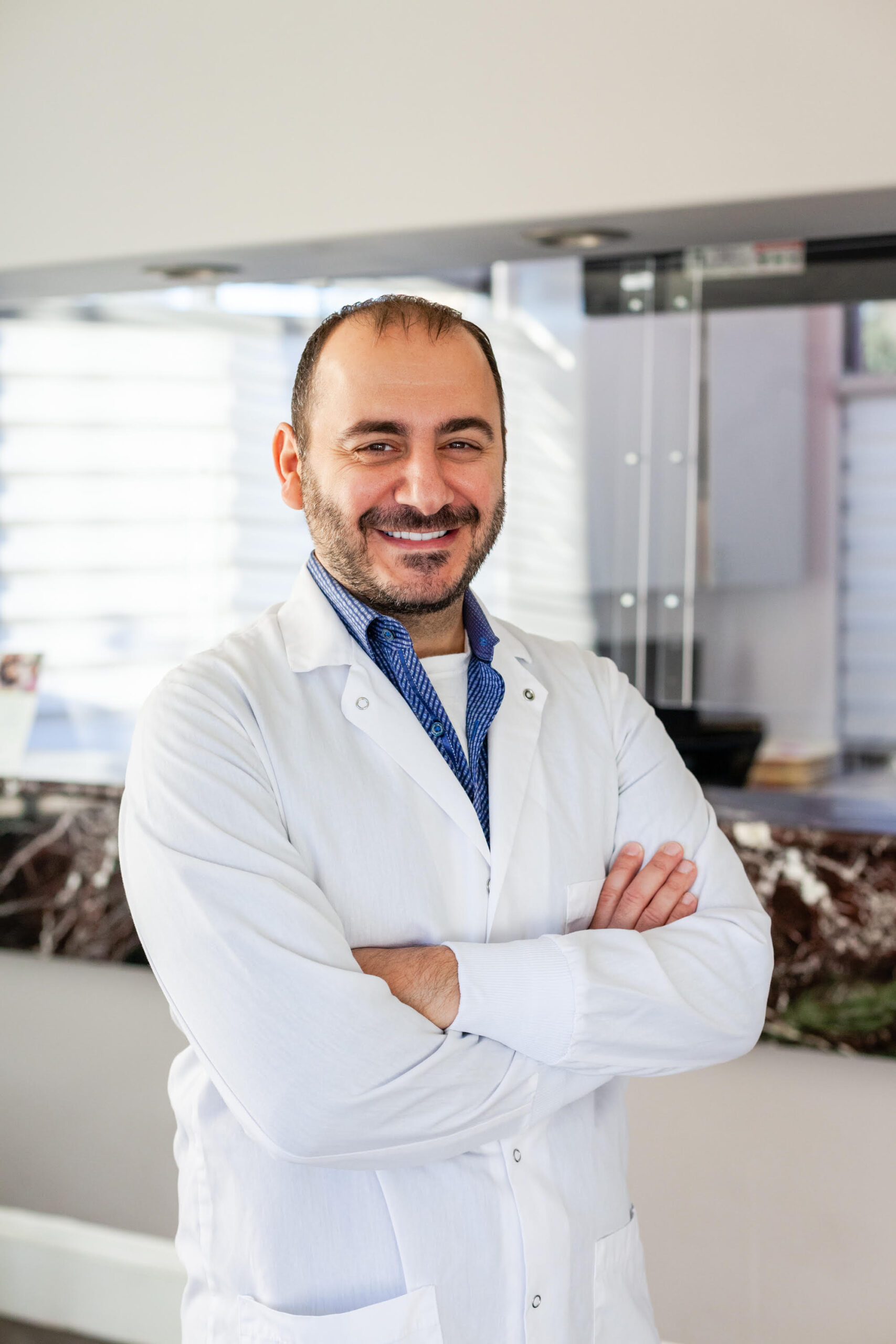
Meet Dr. Fadi Elzayat, DDS, FICOI
A-Dental Center has been a trusted part of the North Hollywood community since 1998. Dr. Fadi Elzayat has led the practice since 2008, bringing over 20 years of clinical experience in dental implants, All-on-4, full arch restorations, and comprehensive family dentistry.
A graduate of the USC Herman Ostrow School of Dentistry, one of the top dental schools in the country, Dr. Elzayat holds a Fellowship from the International Congress of Oral Implantologists (FICOI) — a distinction held by fewer than 5% of implant dentists worldwide, making it one of the most prestigious credentials in the field of implant dentistry.
He focuses on cosmetic dentistry, with a strong emphasis on dental implants and advanced full-arch solutions. He performs every implant case personally and in-house, often utilizing Cone Beam 3D imaging for precision planning.
No referrals. No outside oral surgeons. Every phase of your treatment, from consultation to final restoration, is handled or supervised by Dr. Elzayat at A-Dental Center.
Beyond clinical skill, Dr. Elzayat is known throughout North Hollywood as “The Friendly Dentist” for his calm, straightforward approach, gentle technique, and zero-pressure consultations. A strong focus on comfort and clear communication ensures that each visit feels personalized and supportive.
Whether you haven’t seen a dentist in years or are facing a complex full arch case, patients from North Hollywood, Burbank, Studio City, and the greater San Fernando Valley are welcomed into a setting designed for a relaxed, judgment-free experience.
Credentials:
 USC School of Dentistry Graduate
 FICOI Fellow, International Congress of Oral Implantologists
 20+ Years Placing Dental Implants
 Bilingual, English & Spanish team
 ADA, CDA & San Fernando Valley Dental Society Member
What Our Patients Say
Trustindex verifies that the original source of the review is Google. they are great ! i’ve been coming for over a year or so now. everyone is always super helpful and kind. I definitely will be continuing to come herePosted onTrustindex verifies that the original source of the review is Google. Great, quick and attentive staff!Posted onTrustindex verifies that the original source of the review is Google. I was SHOCKED at how comfortable I was in the dentist chair. Everyone was spectacular. I’ve never felt so relaxed at a dentist’s office before in my life. I didn’t know a trip to the dentist office could be so easy and so swift. Eileen did such a good job with my cleaning. Hands of an angel. I got my wisdom tooth pulled. Before I knew it, the doctor was raising my chair. “All done!” I didn’t feel a thing. Loved this place. I’m telling everyone about them.Posted onTrustindex verifies that the original source of the review is Google. Fast and friendlyPosted onTrustindex verifies that the original source of the review is Google. Really love this place the staff are all very kind and patient. Would highly recommend!Posted onTrustindex verifies that the original source of the review is Google. They are the best!!! I love the team and the doctor!!!! Simply put they’re are my go to place for all my dental needs!!!!!Posted onTrustindex verifies that the original source of the review is Google. Absolutely loved my experience at this dentist. The team are wonderful, couldn’t recommend them more !!Posted onTrustindex verifies that the original source of the review is Google. Excellent Dental Office!! Always a pleasure dealing with everyone there. I live in Simi Valley and still come here. I highly recommend A-Dental to anyone looking for a professional bunch of people who care about your dental needs. Thanks Spencer!!Posted onTrustindex verifies that the original source of the review is Google. I came here based on the positive reviews – and they don’t disappoint! Very friendly staff.
FAQ
Frequently Asked Questions
Is bone grafting painful?
The procedure is performed under local anesthesia with sedation available. During the procedure you will feel pressure but not sharp pain. Post-operative discomfort is typically mild to moderate for the first 2-4 days and is managed with prescribed medication. Swelling is normal and peaks around day 2-3 before improving. Most patients return to work within 3-5 days.
How long does bone graft healing take?
Most bone grafts require 3-6 months of healing before implant placement can occur. Socket preservation grafts performed at the time of extraction may heal in 2-3 months. Minor grafts at the implant site may heal faster. Dr. Elzayat monitors progress with follow-up X-rays and 3D imaging to confirm the graft is maturing correctly before proceeding.
Is sedation available for bone grafting?
Yes. A-Dental Center offers nitrous oxide and oral conscious sedation for bone grafting procedures in North Hollywood. Sedation is especially recommended for anxious patients, for larger grafting procedures, or for patients having multiple procedures in one appointment. Your health history is reviewed before sedation is recommended.
Can smokers get bone grafts?
Smoking significantly impairs blood flow and healing, increasing the risk of graft failure and infection. Patients who quit smoking before grafting and maintain abstinence during healing have substantially better outcomes. Dr. Elzayat evaluates each patient’s situation individually and provides honest guidance on how smoking affects your specific treatment success.
What happens if I avoid bone grafting when it's needed?
Without bone grafting when required, dental implants cannot be safely placed — or if placed, have a significantly higher failure risk due to inadequate bone support. More importantly, bone loss continues to progress silently. The longer grafting is delayed, the more complex and expensive future treatment becomes. Early intervention is always preferable.
Does insurance cover bone grafting?
Many PPO dental plans provide partial coverage for bone grafting when it is performed in preparation for dental implants or at the time of a covered extraction (socket preservation). Coverage varies significantly by plan. A-Dental Center’s team performs a pre-authorization before treatment so you know exactly what your insurance contributes.
Are synthetic bone grafts safe?
Yes. Alloplast (synthetic) bone grafts are made from biocompatible materials like hydroxyapatite and tricalcium phosphate that have been used safely in dentistry for decades. They serve as a scaffold that your body’s natural bone-forming cells gradually replace with real bone. Synthetic grafts have no disease transmission risk and are FDA-cleared for dental use.
Can bone grafts fail?
Graft failure is uncommon but can occur due to infection, smoking, poor blood supply, or premature loading. Signs include worsening pain after week 1, increasing swelling, discharge, or foul taste. If you experience these symptoms, call A-Dental Center immediately at (818) 593-0700. Failed grafts can often be retreated after healing.
Is swelling normal after bone grafting?
Yes. Swelling is a normal inflammatory response and is expected for the first 3-5 days, peaking around day 2-3. Applying ice packs to the outside of the cheek for 20 minutes on and 20 minutes off during the first 24 hours reduces swelling. After 24 hours, switch to moist heat. Swelling that worsens after day 3 or is accompanied by fever may indicate infection — call us.
Can bone grafting rebuild severe bone loss?
It depends on the severity. Minor to moderate bone loss can typically be restored with standard grafting techniques. Severe bone loss may require more complex procedures including block grafting (using your own bone), guided bone regeneration with membranes, or multiple grafting stages. Dr. Elzayat evaluates the extent of bone loss with 3D imaging and recommends the most appropriate approach.
What foods should I avoid after bone grafting?
For the first 2 weeks: soft foods only — yogurt, scrambled eggs, mashed potatoes, smoothies, soft fish. Avoid hard, crunchy, chewy, or spicy foods. No alcohol, no tobacco, no straws. Avoid touching the surgical site with your tongue. Dr. Elzayat’s team provides a complete post-operative diet guide at your appointment.
Is bone grafting worth it?
For patients who need grafting to qualify for dental implants, yes — absolutely. Without grafting, implants are not an option. With grafting, most patients go on to have successful long-term implants. The cost and healing time of grafting is a worthwhile investment compared to a lifetime without implants, or the progressive bone loss that occurs without intervention.
How much does bone grafting cost in North Hollywood?
Bone grafting cost varies based on the size of the defect, the type of graft material, and whether additional procedures are needed. Dr. Elzayat provides a detailed written cost estimate at your free consultation. PPO insurance often covers a portion. CareCredit and Cherry financing are available. Call (818) 593-0700 to schedule.
Can bone grafting be done at the same time as tooth extraction?
Yes — this is called socket preservation and is one of the most effective ways to prevent bone loss after extraction. Graft material is placed into the socket immediately after extraction to maintain bone volume while healing occurs. Socket preservation significantly reduces the need for more extensive grafting later and shortens the overall treatment timeline.
Is bone grafting necessary for all dental implants?
No. Patients with adequate bone volume and density can often have implants placed directly without any grafting. Bone grafting is only necessary when bone loss has occurred. Dr. Elzayat evaluates every patient with Cone Beam 3D imaging to determine exactly what is needed — and will never recommend procedures that are not clinically indicated.