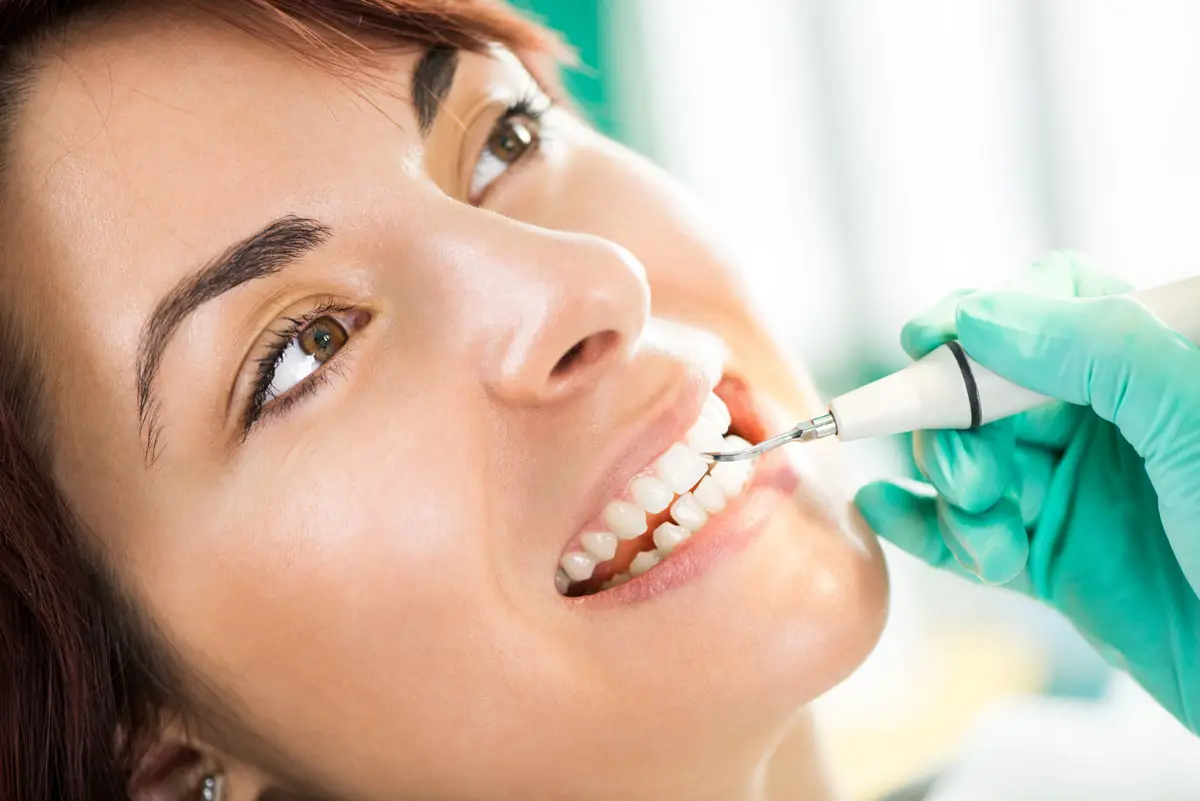
Dental crowns offer several advantages, but there are also risks and costs to consider. This post provides an overview of all key factors involved in the decision-making process.
Dental crowns are a popular choice for restoring and protecting teeth. Still, before deciding, you’ll want to understand the various types of crowns available and the potential risks and benefits. This post will teach you more about dental crowns, including the procedures and costs involved.
What is a Dental Crown?
A dental crown is a form of dental repair that encases an entire tooth. It’s commonly used to repair broken, cracked, or severely decayed teeth and provides cosmetic benefits. Crowns are usually made of porcelain, ceramic, gold, or alloy materials and come in various shapes and sizes. Speaking with a dentist before deciding which type of crown is the best option for you is important.
Think of dental crowns as a snug hat for your tooth that can restore your damaged tooth. The dental crown is attached to your tooth and covers the visible section of your damaged tooth.
What are Dental Crowns Made Of?
-
Metal
Dental crowns can be composed of metals. Some of the metals include gold, nickel, palladium, and chromium. Metal crowns are the least likely to break, chip, or shatter, last the longest in terms of wear, and require only a minimal portion of your tooth to be removed. They can also endure biting and chewing. Metal crowns are the most durable type of crown, as they rarely chip or break.
The most significant disadvantage of this sort of crown is its shiny tint—they are usually recommended for out-of-sight molars and crowns. Metal crowns are an excellent solution for molars that are not visible. -
Porcelain-fused-to-metal
A big advantage of a PFM crown is that it can be colored to match the teeth next to it, so, on the surface, you have all-natural-looking teeth. Plus, the PFM crown combines the strength of metal with the aesthetic of porcelain, meaning you don’t have to hide these on rear molars like metal-only crowns.
An excellent place to use this type of dental crown is on the front or back teeth.
-
All-Resin
Resin dental crowns may be less expensive than comparable varieties—their affordability is often the reason that patients choose this option. However, they deteriorate with time and are more prone to breaking than porcelain-fused-to-metal crowns. Despite this shorter lifespan, they have superior aesthetic options.
-
All-Ceramic or All-Porcelain
These dental crowns offer the best natural color match compared to other crown varieties. They have a better natural appearance and biocompatibility with patients, making them ideal for front teeth.
They’re also an excellent option if you’re allergic to metals. Damaged front teeth can benefit from all-ceramic crowns.
They are not, however, as robust as porcelain-fused-to-metal crowns. They can also cause the teeth opposite them in the mouth to wear down slightly more than metal or resin crowns.
-
Pressed Ceramic
Pressed ceramic dental crowns have a firm inner core, offering a balance of strength and aesthetics. Dentists use pressed ceramic dental crowns in place of the all-ceramic crown and its metal liner. The porcelain provides the best natural color match for your teeth. They are also more durable than an all-porcelain crown.
Read through A-Dental Center’s dental FAQs to learn more about crowns!
Why Would You Need a Dental Crown?
You may require a dental crown for a variety of reasons, including:
- Protecting a weak (perhaps decayed) tooth from shattering or holding a weak tooth together if sections of it are fractured.
- Restoring a broken or severely damaged tooth.
- Covering and supporting a loose tooth.
- Supporting a dental bridge.
- Covering up crooked or discolored teeth.
- Providing coverage for a dental implant.
- Covering up a tooth undergoing a root canal treatment.
- What are the Types of Dental Crowns?
- There are several kinds of dental crowns dentists use.
Onlays and 3/4 crowns are dental crowns that do not cover as much of the underlying tooth as standard dental crowns.
A standard or traditional dental crown will completely cover your damaged tooth.
Onlays and 3/4 crowns may be appropriate when you have a strong tooth structure. Compared to full crown coverage, it is considered a more cautious method. In this operation, your dentist removes the damaged area and reshapes the tooth to accommodate the crown.
Benefits of a Dental Crown
Dental crowns can help strengthen weakened or damaged teeth, protect them from further damage, and improve the appearance of your smile.
Dental crowns also make it easier to keep your affected tooth clean. Since they fit securely over your existing tooth, the crowns discourage the accumulation of plaque or bacteria.
Additionally, if you have a filling that is too large for one tooth, a crown can be used to cover it instead and provide better support.
Dental crowns are a fantastic long-term alternative because they are durable and typically last 5-15 years, increasing patient satisfaction with the treatment.
Treatment with dental crowns has a high success rate compared to other dental restoration methods or no treatment at all. Several scientific studies that investigated their use have supported this.
-
Restoration of Tooth Function
Crowns can restore normal chewing, biting, and speaking capabilities while restoring the aesthetic of a mouth, improving a patient’s smile. Crowns also make damaged teeth fully functional, and prevent further oral complications.
-
Protection of Weakened Teeth
Crowns shield teeth that have become weakened by decay, cracks, or fillings. This protection reduces the risk of further damage or the need for extraction, improving overall oral health.
-
Support for Damaged Teeth
Crowns can stabilize teeth after root canals or fractures. They provide structural integrity, reinforce the strength of the mouth, prevent shifting, and mitigate additional dental problems.
-
Improved Aesthetics
There are many cosmetic benefits of getting a crown. They match tooth color, shape, and size to create a natural smile and restore the functionality and aesthetics of the patient.
-
Durability and Longevity
Crowns can last many years with proper care. By maintaining oral health and hygiene, alongside regular dental visits and upkeep, most crowns will last for years if not decades.
Risks Involved in Getting a Dental Crown
As with any dental treatment, some potential risks are associated with getting a dental crown. There is a risk of infection due to bacteria that may enter the tooth during preparation for the crown.
Your dentist may also need to file the tooth into the right shape to fit the crown. This action is extensive and irreversible. Since dental crowns cover your existing tooth, this could create more areas for plaque and bacteria to grow, leading to decay.
Dental crown procedures are typically more expensive than other direct tooth restorations, which may deter some patients. The cost varies depending on the material of the crown (for example, porcelain crowns are more expensive than gold crowns) and can range from $800 to $1500 per crown.
A consultation before the procedure will help your dentist suss out potential issues, where they can prepare you for the risks and drawbacks associated with getting a dental crown.
-
Sensitivity
There is temporary tooth sensitivity after crown placement, especially when it comes to hot or cold foods. Sensitivity should subside within a few weeks, and your dentist can help you manage this with desensitizing toothpaste and other advice.
-
Chipped or Cracked Crown
Crowns, especially the porcelain and ceramic variety, can chip or crack under excessive pressure. Careful chewing habits can prevent crown damage, but if chipping or cracking occurs, you should contact your dentist right away.
-
Loose Crown
Improper fits, decay building beneath the crown, and other physical factors can cause a crown to become loose. Your dentist can re-cement or replace the crown to restore stability.
-
Crown Falls Off
Crowns can completely fall off if the adhesive fails. Underlying issues can also cause crowns to become unstable. If your crown is loose or comes out on its own, contact your dentist immediately for prompt dental care.
-
Allergic Reaction
In rare cases, allergic reactions to certain metals in crowns can occur. Patients should discuss material sensitivities with their dentist beforehand or discuss alternatives if they believe they may be sensitive to certain metals.
How Much Does a Dental Crown Cost?
-
Average cost of dental crowns by type
-
Porcelain
Tooth-colored crowns, like porcelain or ceramic, may have a lesser lifespan than metal, but come with cosmetic advantages that many patients prefer. Cost varies by dentist and location, and porcelain or ceramic crowns require more upkeep and care.
-
Porcelain and Metal
Porcelain and metal crowns have a national average range of $770 to $2,454. Some of this cost may be covered by your dental insurance. Many patients choose porcelain and metal crowns because of the combined durability and aesthetic of this procedure. These crowns have the longevity of metal but the natural appearance of porcelain or ceramic.
-
Metallic
Metallic crowns can range from $821 to $2,861, per the national average. They can be more affordable in the long run, especially for back teeth, and may be covered by dental insurance.
-
Resin or Temporary
Resin or temporary crowns have a lower national average, $488 to $1,593, but are not meant for long-term use, and may be placeholders for metal or porcelain crowns.
-
-
-
Factors Affecting Crown Cost
-
Geographic Location
Crown costs vary by city, state, or region due to differences in living costs, dental practice overhead, available dentists, and local market demand.
-
Material Selection
Crown materials also factor into cost. Metal, porcelain, PFM, and zirconia all have different cost ranges because of their individual properties. This directly impacts cost.
-
Complexity of Your Case
The condition of the tooth, the need for root canals, or previous dental work can increase labor and treatment complexity. While some patients might be ideal for crowns, others might need additional work done ahead of time, which affects cost.
-
Your Dentist’s Experience and Training
Experienced or specialized dentists may charge more for their expertise and training. Quality of work changes depending on your dentist’s level of expertise, education, and access to technology.
-
Laboratory Fees
Dental labs, such as A-Dental Center, have to factor in the individual cost of materials, including laboratory fees, technology, and precision. Many costs must be accounted for before labor.
-
-
Additional Cost Considerations
-
Pre-Crown Procedures
Extra treatments may be needed before placing a crown. Your dentist may recommend fillings, root canals, or tooth extractions to improve the success of the crown, but these additional procedures can add to the overall cost.
-
Temporary Crown
Temporary crowns may be needed while the permanent crown is created. Costs may include the labor of the temporary crown, though these are typically included in the total treatment plan.
-
Multiple Appointments
Crowns often require multiple visits because of preparation, fitting, and adjustments. This can add to the cost and scheduling.
-
Sedation Options
Sedation may be optional, such as anesthesia for anxious patients. This can impact treatment cost, though sedation may improve the safety and comfort of the patient.
-
Adjustments and Follow-ups
Minor adjustments, follow-up visits, or dental corrections may incur additional charges. Patients should maintain their follow-up appointments for long-term crown success.
-
-
Financing and Payment Options
-
In-House Payment Plans
Some dental offices offer monthly payment plans directly through the practice, helping those who need financial assistance or who do not have dental insurance.
-
Third-Party Financing
Dental loans and other third-party financing options can help patients pay their dental bills over time. CareCredit, Lending Club, and other third-party companies that specialize in healthcare financing offer promotional periods without interest, and you can apply directly through them.
-
Health Savings Accounts (HSAs) and Flexible Spending Accounts (FSAs)
Patients can use Health Savings Accounts and Flexible Spending Accounts to cover certain costs pre-tax, making treatments more affordable.
-
Dental Membership Plans
Certain in-office membership plans offer discounts on crowns and other treatments. Speak to A-Dental Center to learn more about special membership plans and new client discounts.
-
Prompt Payment Discounts
Some dental offices provide discounts for upfront payments or paying in full at the time of treatment. Ask if there is a pay-in-full discount or other type of cash payment option.
-
-
Are Dental Crowns Covered by Insurance?
Most dental insurance plans cover at least a portion of the cost for crowns, especially when they are medically necessary or recommended by a doctor. Coverage varies by plan, deductible, and annual maximums—patients should verify how much coverage is available from their provider.
Your insurance may require a deductible and copay, according to your plan. It’s important to check in with your insurance provider before your appointment so that you have a better idea of plan coverage.
What to Expect During the Crown Process
-
Initial Consultation and Treatment Planning
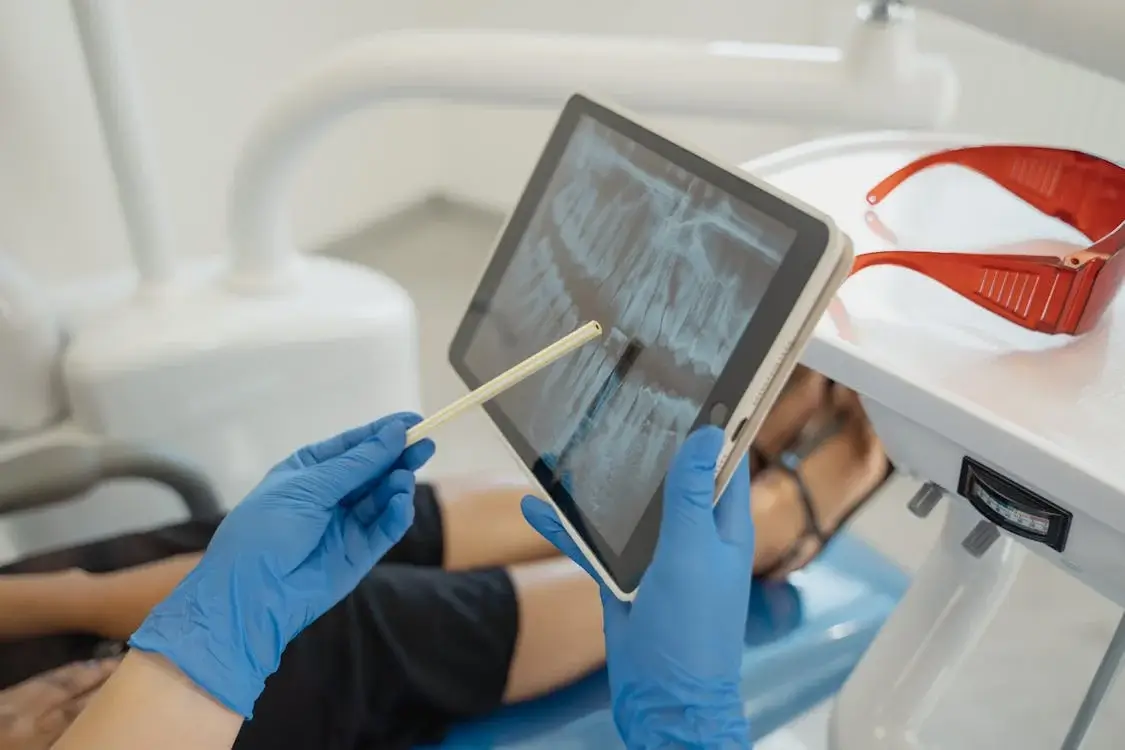
Your dentist will assess your tooth, take X-rays, and discuss crown options, materials, and costs. This step allows personalized planning—you can get an idea of the total costs, ask questions about the different kinds of crowns, and gain more information from your dentist.
-
First Appointment – Tooth Preparation
The dentist will take impressions, reshape your tooth, and place a temporary crown. Patient comfort is the primary factor here, and your dentist will do their best to ensure you are cared for while enacting precision for long-term results.
-
Laboratory Creation Process
The crown is fabricated in a dental lab or with in-office CAD/CAM technology. Your dental impression is used by skilled technicians to craft your custom crown, a process that takes a few weeks. You’ll wear your temporary crown in the meantime.
-
Second Appointment – Crown Placement
After your permanent crown is ready, it’s removed so that the permanent crown can be fitted and cemented. Your dentist checks for fit, bite, and appearance, making adjustments as necessary before the final placement.
-
Same-Day Crown Option
Modern same-day crowns use digital scans and milling technology to create custom-fitted options for patients. This reduces the number of necessary appointments, improves convenience, and provides an option for patients who cannot wait. While the convenience is important, we should note that same-day crowns cost slightly more, even if they do eliminate the need for a temporary crown placement.
Alternatives to Dental Crowns
There are alternatives to dental crowns if you’re looking for a more cost-effective treatment option. Your dentist may recommend Inlay or Onlay restorations if your teeth aren’t as severely damaged.
This type of restoration is less invasive than a crown. It can repair the tooth’s surface instead of encasing it entirely with porcelain, metal, or other material. Bridges may also be used as an alternative to crowns if multiple adjacent teeth are missing or damaged.
-
Onlays
Onlays are a conservative option for restoring part of a damaged tooth, as dentists can use them to reinforce teeth. Onlays are similar to dental crowns, as they offer a degree of protection, but they only cover the surface of the tooth and a few of its cusps. There are full and partial onlays that occupy different portions of the tooth.
Onlay requires less tooth structure to be removed during placement, which lowers complications during preparation. They are recommended for patients who need to keep their gums healthy, as traditional crowns can make it harder to clean plaque around a tooth’s base.
While onlays do have a chance of coming loose over time, modern advancements in dental cement have made it easier to keep them in place.
-
Dental Veneers
Your dentist may decide that a veneer is better than a crown, depending on the health of the tooth. Unlike crowns, veneers are thin shells that protect the front of a tooth, typically for aesthetic reasons. The suitability of a veneer versus a crown depends on a patient’s oral health, as it may not offer the level of protection that a tooth needs. But since veneers are less intrusive, they can aesthetically boost a patient’s smile without the full cost and installation of a crown.
-
Dental Filling
Fillings are suitable for minor decay or damage, and offer a more affordable and less invasive option compared to crowns. After a tooth sustains trauma, and the dentist recommends a cap, a filling may be necessary. Crowns are preferable for large cavities and more extensive damage, because fillings don’t offer the same degree of protection.
Fillings are less common as they can crack or fall out. They offer less performance than crowns, which reinforce the entire structure of a tooth. Dentists may use fillings to build up a badly damaged tooth before installing a crown.
Why Choose A-Dental Center To Get Dental Crowns
A-Dental Center’s expertise, advanced technology, and patient-focused care have built trust and credibility—it’s why we are the preferred dental center in Los Angeles. Contact us today to schedule a FREE consultation and see why we are the top choice for quality, affordable, long-lasting dental crowns!
Weigh The Pros, Risks & Other Options
To ensure that you have the appropriate recommendation and process, you should weigh the dangers and benefits of a dental crown.
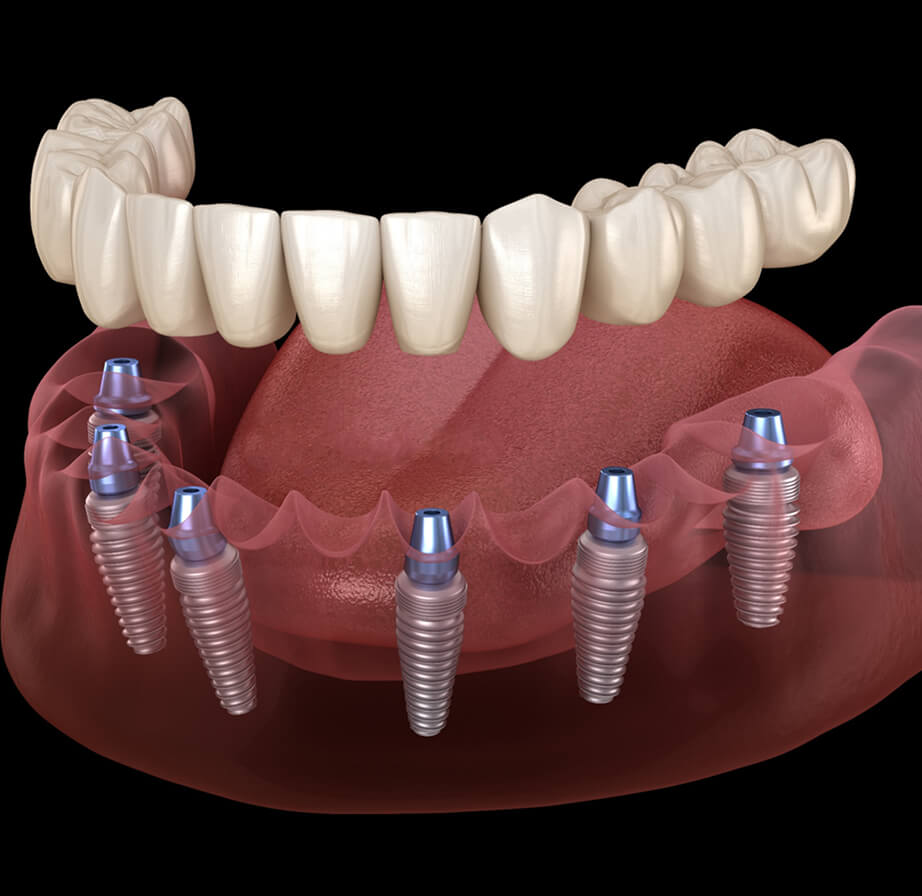
When the goal is to repair a lost tooth between healthy adjacent teeth, a bridge with crowns is stronger than detachable partial dentures.
However, if the funds are available, implants are usually considered a superior alternative to crowns. This is because they do not impact the healthy surrounding teeth and have a decreased risk of infection underneath the bridge.
As a result, if you can afford a dental implant, this may be the better alternative. Dental crowns with a bridge may be the ideal alternative if you desire a more durable but less expensive solution.
It is critical to assess the procedure’s objective and determine the best course of action in your best interests with your dentist.
The whole team at A-Dental Center, which serves the Greater Los Angeles area, is committed to giving you the gentle, customized treatment you deserve.
When you come to our office, we put you first. Your dental team will attentively listen to your smile issues and goals before developing a strategy to help you enjoy your biggest smile. We believe in including you in your treatment and explaining the specifics of numerous treatment choices. Hence, you have the essential information to select the most appropriate plan for your smile.