
Dental Crown vs. Filling in North Hollywood: How Your Dentist Decides
You are sitting in the dental chair after your exam, and your dentist recommends a crown.
You expected a filling. Suddenly, you are wondering whether the recommendation is justified or whether a simpler filling would do the job just as well.
Understanding the difference between a dental crown and a filling in North Hollywood helps you evaluate that recommendation with confidence.
At A-Dental Center, we explain every treatment recommendation clearly, including exactly why a crown is necessary rather than a filling in each specific case.
This guide gives you the full picture.
What Is the Core Difference Between a Dental Crown vs Filling in North Hollywood?
What a Filling Does
A filling restores a tooth that has lost structure to decay.
The decayed material is removed, and the cavity is filled with tooth-colored composite resin or amalgam, restoring the tooth’s original shape and protecting it from further decay.
A filling is appropriate when the remaining tooth structure is sufficient to support itself after the cavity is removed.
What a Crown Does
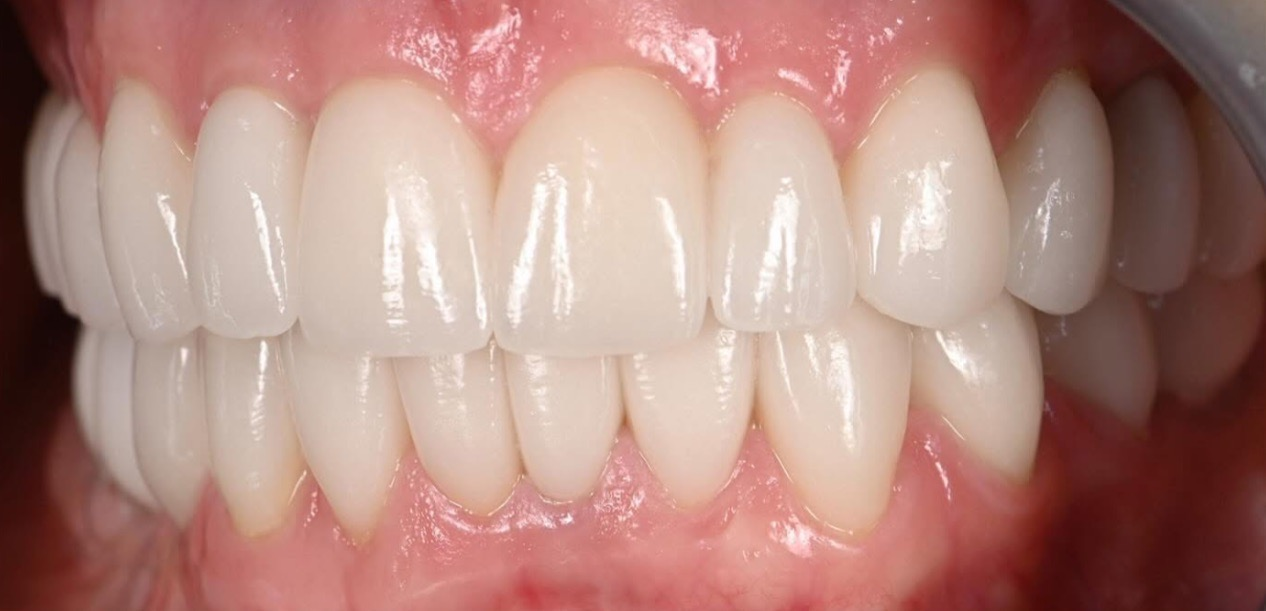
A dental crown, also called a cap, covers the entire visible portion of the tooth above the gum line.
It is used when a tooth has lost so much structure that a filling alone cannot restore it adequately, either because the remaining walls are too thin to support biting forces or because the tooth has cracked, broken, or been treated with a root canal.
Our post on how long a dental crown takes in North Hollywood explains the full crown process and realistic timelines for each stage.
According to the American Dental Association, the decision between a crown and a filling is based on the amount and location of remaining healthy tooth structure, not on preference or revenue motivation.
It is a clinical determination with clear, objective criteria.
When Is a Filling the Right Choice?
The Situations Where a Filling Is Appropriate
A filling is the right choice when the cavity is small to moderate in size, when the remaining tooth walls are thick and strong enough to withstand biting forces, when no cracks are present in the tooth structure, and when the tooth has not had a root canal.
Our post on what happens if you don’t fill a cavity in North Hollywood explains exactly how decay progresses through these stages and why catching it early, when a filling is still appropriate, is always the most affordable and least invasive outcome.
The Cost Difference
A tooth-colored filling at A-Dental Center typically costs $150 to $450, depending on the size and location of the cavity.
A dental crown typically costs $1,500 or more.
This cost difference is one reason patients sometimes question a crown recommendation, and why understanding the clinical basis for the recommendation matters.
When Is a Crown the Right Choice?
The Situations Where a Crown Is Necessary
A crown becomes the appropriate treatment when the cavity is large removing the decay would leave insufficient tooth structure to support a filling, when the tooth has cracked or fractured significantly, when an old large filling has failed and the underlying tooth structure is compromised, when the tooth has been treated with a root canal which removes the nerve and blood supply, making the tooth brittle and prone to fracture without crown protection, and when significant wear from teeth grinding has reduced the tooth to the point where a filling cannot restore function.
Why This Is Never a Judgment Call
The distinction between crown-appropriate and filling-appropriate situations is objective and documentable.
At A-Dental Center, we show patients exactly what we see, including X-rays and intraoral camera images, so the clinical basis for every recommendation is visible and understandable.
If you have questions about a crown recommendation you have received, whether at our practice or elsewhere, a second opinion that includes proper documentation is always appropriate.
Our post on what a deep cleaning is and whether you really need one addresses the same principle in the context of gum disease treatment; the recommendation should always be backed by objective measurements.
What About the Gray Zone? When Either Could Work
The Cases Where Clinical Judgment Matters Most
Some situations fall into a gray zone where either a large filling or a crown could be technically appropriate, but where the long-term durability of each option differs significantly.
A large filling placed in a tooth with thin remaining walls may work well for years, or it may crack the remaining tooth structure under biting forces, ultimately requiring not just a crown but potentially a more complex restoration.
How A-Dental Center Handles Gray Zone Cases
At A-Dental Center, we present gray zone cases honestly explaining both options, the clinical factors involved, and the long-term risk associated with each choice.
You make the final decision with complete information.
We never present a crown as the only option when a filling is genuinely viable.
What to Do If Your Crown Comes Off
Sometimes a crown that was previously placed correctly comes loose or falls off entirely due to cement breakdown, new decay at the margin, or grinding forces.
Our post on what to do when a dental crown falls off in North Hollywood explains exactly what to do in the hours after this happens and why acting quickly matters.
For a full overview of what crown and filling treatment costs at A-Dental Center, read our post on how much a dentist costs in North Hollywood.
The Mayo Clinic confirms that the decision between a crown and a filling should be based on objective clinical assessment of remaining tooth structure, not on patient preference alone.
The American Academy of General Dentistry recommends that patients ask their dentist to explain the specific clinical findings that support any crown recommendation.
Book Your Exam at A-Dental Center in North Hollywood
If you have been told you need a crown and want a second opinion, or if you simply want to understand the recommendation better, call A-Dental Center at (818) 593-0700 or book online. We provide honest assessments and show you exactly what we see.
Related: Dental Crowns · Cracked Teeth Treatment