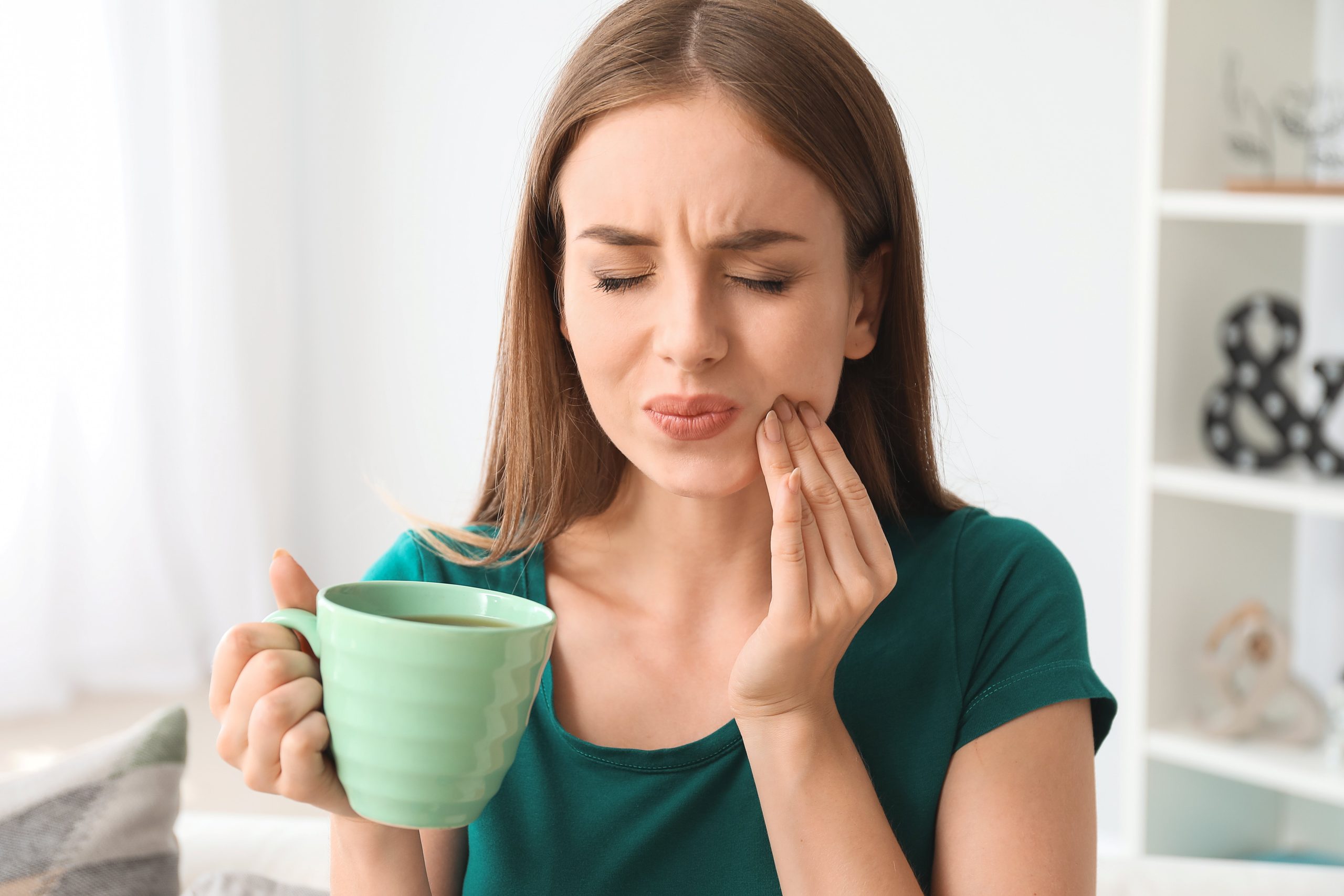
Why Do My Teeth Hurt When I Drink Cold Water? A North Hollywood Dentist Explains
That sharp, shooting pain when you take a sip of cold water is hard to ignore — and easy to worry about. Teeth that hurt when drinking cold water is one of the most common complaints dentists hear. The good news is that it is almost always treatable once the cause is identified.
Here is what is actually going on when cold water hurts your teeth — and what the team at A-Dental Center in North Hollywood recommends.
Why Do Teeth Hurt When Drinking Cold Water?
How the Pain Actually Works
Your teeth are covered by a hard outer layer called enamel. Inside the enamel is dentin — a softer tissue filled with tiny fluid-filled channels that connect to the nerve of the tooth. When the enamel is compromised or the gum tissue recedes, these channels become exposed. Cold stimuli then cause fluid movement in these channels, which triggers the nerve and produces that sharp, sudden pain.
What the Research Shows
According to the American Dental Association, dentin hypersensitivity affects a significant portion of the adult population. Furthermore, it is one of the most frequently reported dental complaints — making it one of the most studied and well-understood conditions in dentistry. The key question, therefore, is why your enamel is compromised or why your gums are receding.
Common Reasons Why Teeth Hurt When Drinking Cold Water
Enamel Erosion
Enamel erosion is caused by acidic foods and drinks, acid reflux, or aggressive brushing. Our post on does teeth whitening damage enamel explains the science of enamel loss and confirms that once enamel is gone, it does not grow back.
Gum Recession
When gums pull back, the sensitive root surface becomes exposed — directly causing cold sensitivity. Our complete guide on what causes gum recession and whether it can be reversed covers treatment options from desensitizing protocols to gum grafting in detail.
Tooth Decay
Cavities that have progressed toward the nerve cause significant cold sensitivity. Our post on what happens if you don’t fill a cavity explains exactly how decay progresses from enamel to dentin to pulp — and confirms that cold sensitivity is often the first warning sign patients notice.
Cracked Teeth
Fractures allow cold to reach the inner tooth structure directly. Grinding is one of the most common causes of cracked teeth. As a result, our post on how to stop grinding your teeth at night is essential reading for any patient with unexplained sensitivity.
Worn Fillings or Crowns
Old restorations can develop gaps that expose dentin over time. If your dental crown recently fell off, the sudden cold sensitivity you are experiencing is a direct result of the exposed prepared tooth structure underneath.
Recent Dental Work
Temporary sensitivity after cleanings, whitening, or fillings is completely normal. It typically resolves within a few weeks without any additional treatment.
Teeth Grinding
Bruxism wears down enamel over time — gradually exposing dentin and increasing sensitivity. A custom night guard addresses this directly before significant damage accumulates.
Is It Always Serious When Teeth Hurt Drinking Cold Water?
Brief Sensitivity vs. Lingering Pain
Not always — but it should never be ignored. Brief sensitivity that resolves within a second or two after the stimulus is removed is typically a sign of dentin hypersensitivity. This is manageable and often treatable without major intervention.
When Lingering Pain Is a Warning Sign
Pain that lingers for 30 seconds or more after the cold source is removed is a different matter. Pain that occurs spontaneously without any stimulus is also concerning. Both can indicate a more serious issue — such as an infected or dying nerve — that may require a root canal.
This type of lingering pain is one of the key warning signs discussed in our post on tooth pain on one side of your mouth. If you can localize the pain to a specific tooth, that combination of symptoms helps narrow the diagnosis significantly.
What Dental Research Confirms
The Mayo Clinic notes that tooth sensitivity is rarely dangerous on its own. However, it is almost always a signal that something in the mouth needs attention. Waiting typically allows the underlying cause to worsen. The duration and character of the pain, therefore, matters a great deal. When in doubt, get it checked promptly.
What Can Be Done When Teeth Hurt Drinking Cold Water?
Why a Proper Examination Comes First
Treatment depends entirely on the cause. A proper examination — including dental X-rays — is therefore the essential first step. Depending on what your dentist finds, several treatment options are available.
Non-Invasive Treatment Options
- Desensitizing toothpaste — contains compounds that block the channels in dentin. Works well for mild sensitivity from enamel erosion or early gum recession.
- Fluoride treatments — applied in-office to strengthen enamel and reduce sensitivity over time.
- Dental bonding — a tooth-colored resin applied over exposed root surfaces to seal and protect them permanently.
Surgical and Restorative Options
- Gum grafting — for significant gum recession, a gum graft covers exposed roots permanently. It restores both protection and appearance in one procedure.
- Night guard — if grinding is the cause, a custom night guard protects enamel from further wear and breaks the cycle of sensitivity.
- Fillings or crowns — if decay or a crack is found, restorative treatment addresses the root cause directly. Our post on how long a dental crown takes explains what to expect if that is the recommended path.
According to the Cleveland Clinic, early intervention for tooth sensitivity almost always leads to simpler, less invasive treatment outcomes. Waiting consistently results in more complex and expensive care.
When to Call A-Dental Center About Teeth That Hurt Drinking Cold Water
Don’t Wait for the Pain to Worsen
Call us if your cold sensitivity is new, getting worse, affects multiple teeth simultaneously, or is accompanied by any spontaneous aching or throbbing. Most causes of tooth sensitivity get worse — not better — with time. Waiting, therefore, is rarely the right decision. New patients can start with our $79 new patient exam with X-rays.
For a full overview of what dental treatment costs in North Hollywood, read our post on how much a dentist costs in North Hollywood. If dental anxiety has been keeping you from seeking treatment, our post on dental anxiety in North Hollywood explains how we make every visit comfortable and judgment-free.
A-Dental Center in North Hollywood offers same-day appointments for patients in discomfort. Call (818) 593-0700 and we will get you in quickly.