What Happens If You Don’t Get a Cavity Filled in North Hollywood?
You have been told you have a cavity. It is not hurting. Life is busy. The cost feels inconvenient. Part of you wonders: what is the worst that can happen if you just wait a little while?
Here is the honest answer about what happens if you don’t fill a cavity in North Hollywood — cavities always get worse, never better. The longer you wait, the more complicated and expensive treatment becomes. Here is exactly what the progression looks like at A-Dental Center.
What Happens If You Don’t Fill a Cavity in North Hollywood: Stage by Stage
Stage 1: Enamel Decay — Early Cavity
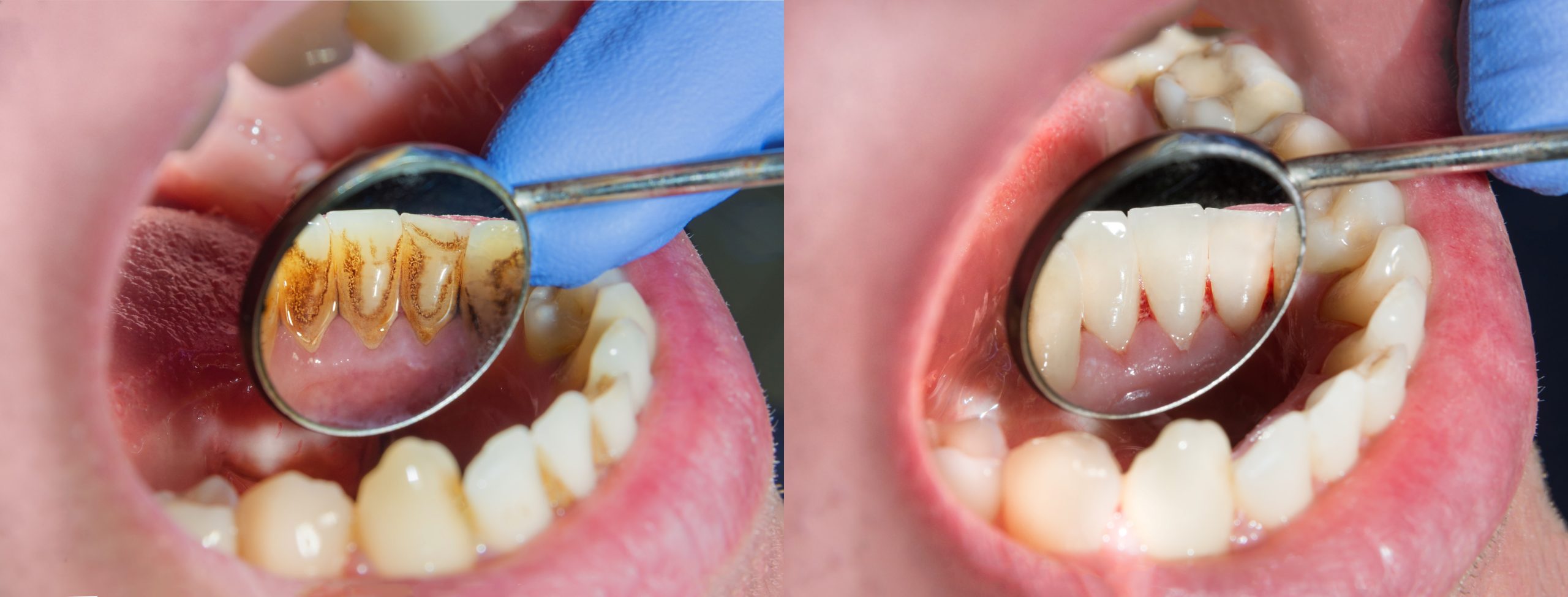
At this stage, decay has only penetrated the outer enamel layer. There is typically no pain — you would never know it was there without an X-ray or visual exam. Treatment is simple: a small filling that takes 20–30 minutes, costs $150–$350, and restores the tooth completely.
This is the stage where doing nothing seems most tempting. It is also the last stage where treatment is simple and inexpensive. According to the American Dental Association, tooth decay is one of the most common chronic diseases in adults — and one of the most preventable with routine care and early treatment.
Stage 2: Dentin Decay
Once decay reaches the dentin layer beneath the enamel, you may start to notice sensitivity to sweets, cold, and pressure. This is the same mechanism behind the discomfort described in our post on why teeth hurt when drinking cold water — when enamel is compromised, the dentin channels that connect to the nerve become exposed and reactive.
The decay now progresses faster because dentin is softer than enamel. Treatment is still a filling — but a larger one. Cost increases. The tooth structure removed is greater, which weakens the tooth significantly more.
Stage 3: Pulp Involvement — Root Canal Territory
When decay reaches the pulp — the inner chamber containing the nerve and blood vessels — pain becomes more significant. A throbbing ache, sensitivity that lingers long after the stimulus is removed, or spontaneous pain with no obvious trigger are all warning signs. This type of lingering pain is covered in our post on tooth pain on one side of your mouth — if pain persists more than 30 seconds after a cold stimulus, the pulp is likely involved.
At this stage, a filling is no longer sufficient. The infected pulp must be removed through a root canal procedure, followed by a crown to protect the weakened tooth. Cost is now in the range of $1,500–$2,500 or more for the root canal and crown together.
Stage 4: Abscess
If pulp infection is left untreated, bacteria spread beyond the tooth root into the surrounding bone and tissue — forming an abscess. This causes severe, constant pain, facial swelling, fever, and in extreme cases difficulty swallowing or breathing.
A dental abscess is a dental emergency. Treatment requires antibiotics, root canal, or extraction — and potentially more extensive intervention if the infection has spread significantly. The Mayo Clinic warns that a dental abscess left untreated can spread infection to the jaw, neck, and in rare cases become life-threatening. It should never be managed with pain medication alone.
Stage 5: Extraction
If the tooth is too damaged to save — whether from untreated decay, an abscess that has destroyed too much bone, or a fracture resulting from structural weakness — extraction becomes the only option.
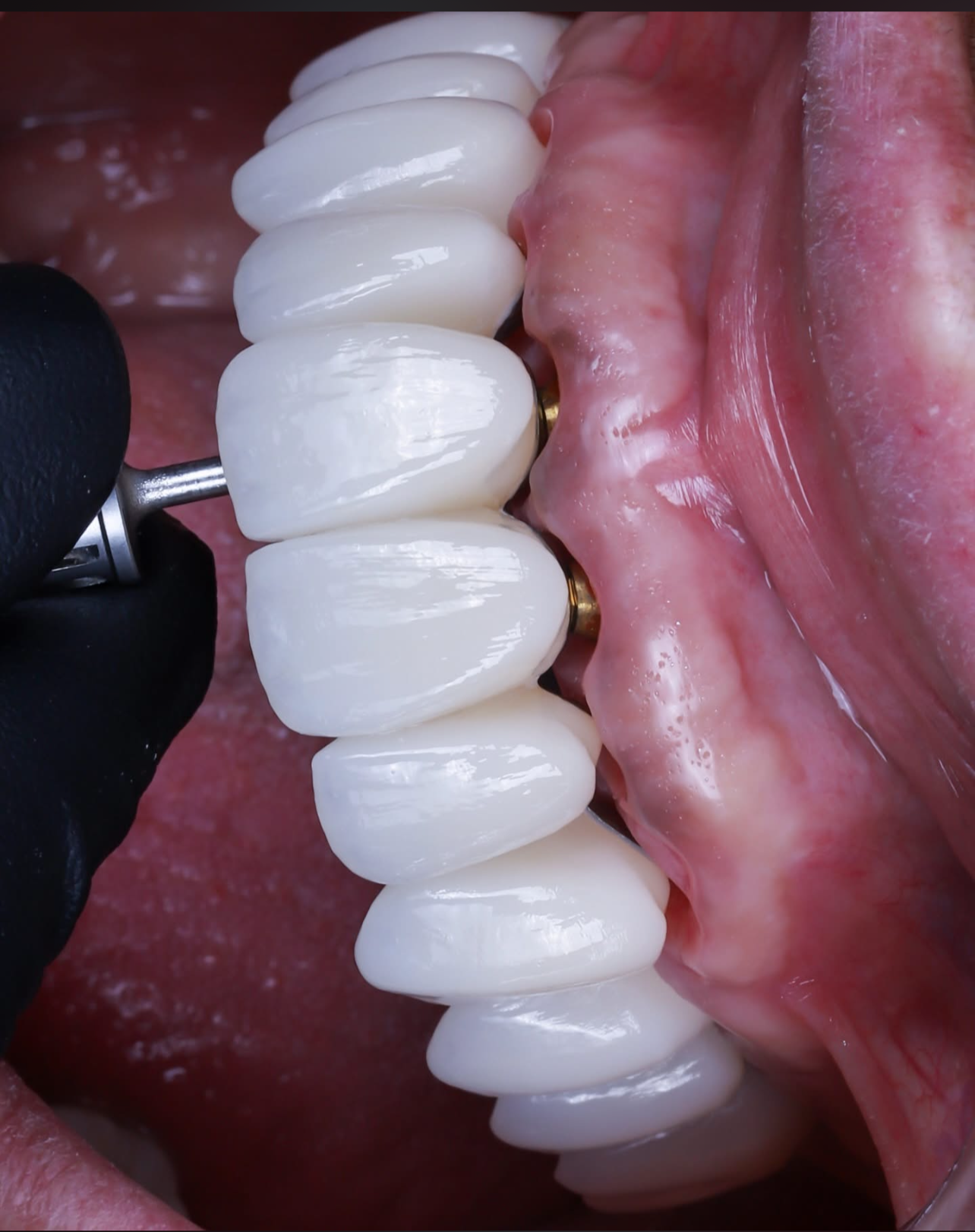
Now you face the cost and complexity of tooth replacement. As we cover in our post on dental implants vs. bridges, your options are an implant ($3,000–$5,000), a bridge ($2,500–$4,000), or a partial denture. None of these options are as good as your natural tooth. Furthermore, as explained in our post on how many teeth adults have and what happens when you lose one, the consequences of tooth loss extend well beyond the gap — bone loss and shifting teeth begin within months of extraction.
Why Not Filling a Cavity in North Hollywood Affects Your Overall Health
The Connection to Gum Disease and Bone Loss
Untreated decay and the resulting bleeding gums and gum recession that accompany advanced disease accelerate bone loss even further. As a result, what starts as a small cavity can contribute to a cascade of oral health problems that extends far beyond the original tooth.
The Systemic Health Connection
The National Institute of Dental and Craniofacial Research confirms that untreated oral infections can have systemic consequences — including links to cardiovascular disease and diabetes complications. Treating a cavity early is therefore not just a dental decision. It is a health decision.
What the Cost Progression Actually Looks Like
Understanding what happens if you don’t fill a cavity in North Hollywood becomes very clear when you look at the numbers:
| Stage | Treatment | Estimated Cost |
|---|---|---|
| Stage 1 — Enamel decay | Small filling | $150–$350 |
| Stage 2 — Dentin decay | Larger filling | $200–$450 |
| Stage 3 — Pulp involvement | Root canal + crown | $1,500–$2,500 |
| Stage 4 — Abscess | Emergency treatment | $1,000–$3,000+ |
| Stage 5 — Extraction + implant | Implant restoration | $3,000–$5,000 |
The math is not subtle. A $200 filling today versus a $4,000 implant later is the clearest possible argument for early treatment.
What to Do If You Have Been Avoiding a Cavity in North Hollywood
It Is Never Too Late to Act
If you have been putting off a cavity your dentist has already identified, acting now — regardless of how long it has been — is always better than waiting longer. Our post on how to prepare for your first dentist appointment after years away explains exactly what to expect if it has been a while since your last visit.
Making Treatment Affordable
For a full overview of what cavity treatment and other dental procedures cost in North Hollywood, read our post on how much a dentist costs in North Hollywood. A-Dental Center offers flexible scheduling and financing options through CareCredit and Cherry to make treatment as accessible as possible.
Small problem today — let us keep it that way. Call (818) 593-0700 or book online at A-Dental Center in North Hollywood.