
Invisalign versus braces—which is right for me? Choosing the right option is based on a number of factors, including your dental and orthodontic needs, lifestyle, and budget. This guide will help you through the pros and cons of both, which you should consider, and how traditional braces differ from Invisalign.
Understanding the Basics of Invisalign vs Braces
What Is Invisalign?
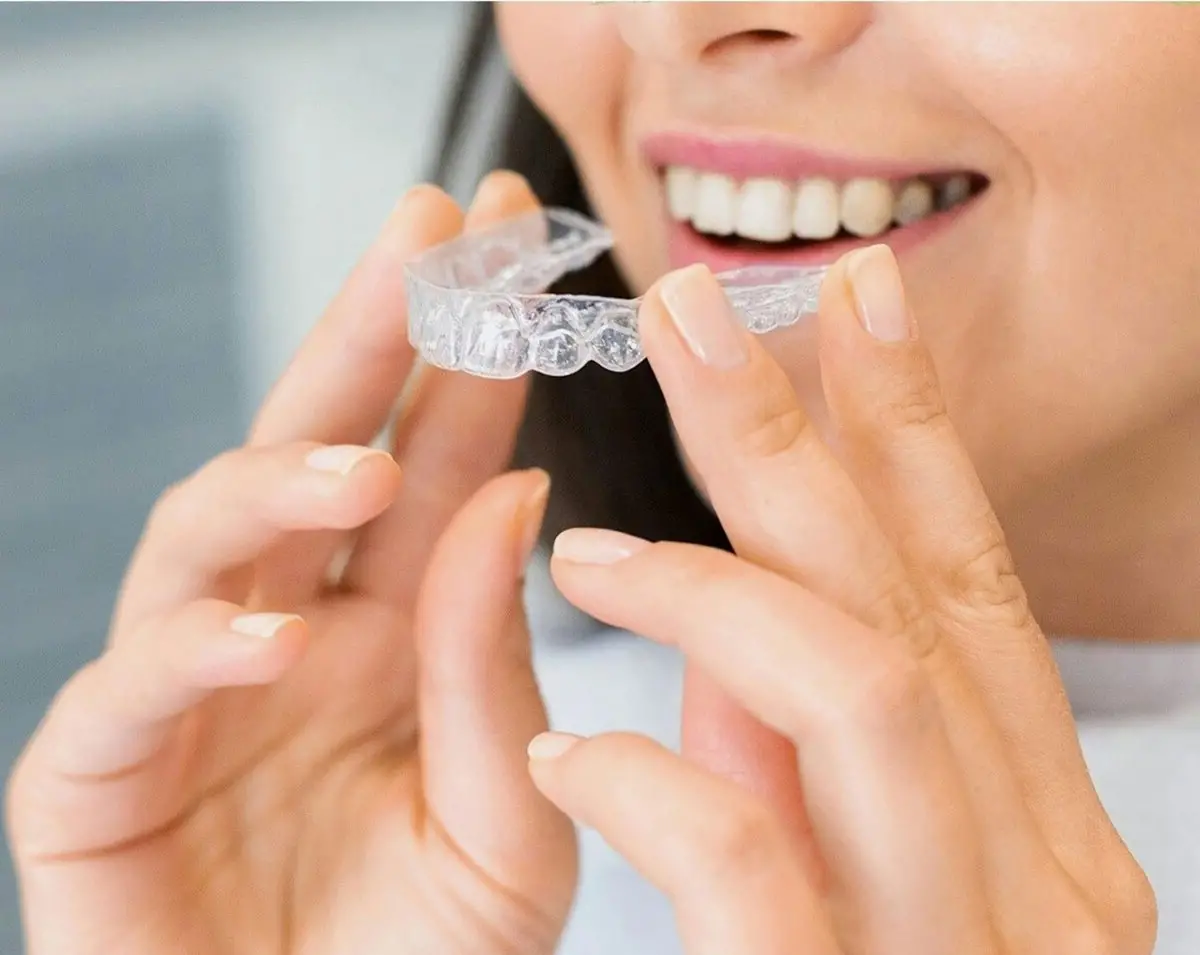
Invisalign treatments use clear plastic aligners that are fitted to your teeth, applying gentle pressure over time to move teeth into the desired position. Invisalign aligners are virtually invisible, removable, and specially designed for mild to moderate alignment cases. Traditional braces are necessary for more advanced orthodontic work.
Clear aligner systems like Invisalign use custom-made transparent trays fitted to the user, to gradually straighten teeth as a discreet alternative to the visibility and bulkiness of traditional braces. Aligners are switched out every 1-2 weeks under a personalized treatment plan, and plans can last from a few months to a year, depending on the severity of the case.
What Are Traditional Braces?
Traditional braces rely on wires and metal brackets that guide tooth movement by being glued to the surface of each tooth. Conventional braces are part of a total orthodontic treatment plan utilized for decades to correct dental issues, from teeth alignment to crowding, crossbites, and jaw misalignment.
Dental braces are effective for complex cases where precise tooth movement is required. Where Invisalign moves all of the lower or upper teeth simultaneously, traditional braces can be used by orthodontists to move teeth individually, correcting major dental issues over time.
Brackets are bonded to the teeth with special glue and connected with wires and elastics. Fixed braces can fix severe misalignments with controlled force, making them ideal for patients with significant dental concerns. Adjustments are performed by experienced orthodontists.
When choosing braces vs Invisalign, it’s important to take in all factors and consult with your orthodontist to find out the best treatment for you.
Invisalign vs Braces: Key Differences
Appearance & Aesthetics
There are immediate and obvious visual differences between Invisalign and traditional braces. The clear, sleek aligners of Invisalign are nearly invisible, making them attractive for adults who do not want the bulky metal of conventional braces. Braces, on the other hand, are often made of metal, and can be a bulky and unwanted aesthetic for adults and working professionals.
Comfort & Pain Levels
The general comfort experience of Invisalign aligners versus braces brackets is quite different. Invisalign aligners may cause a bit of pressure and a bit of a tight feeling as the teeth are aligned, whereas conventional braces with wire tightening and bracket irritation can cause consistent discomfort and even some pain.
Invisalign’s gentler day-to-day pressure is often preferred by adults who do not wish to endure years of soreness and adjustment discomfort. Many adults will pursue Invisalign, though it is not the right option for some patients.
Treatment Time & Efficiency
Invisalign treatments are pointedly shorter than conventional braces, even though the duration of orthodontic treatments depends on each individual’s specific dental needs.
Invisalign treatments are typically faster than traditional braces, with less complex adjustments. Even when replacing aligners every few weeks, minor Invisalign treatments can take as little as 3 months, with advanced treatments lasting as long as 18 months.
Braces address complex orthodontic issues, and this traditional approach gradually aligns teeth into the right position with braces and wires. This slower, more specific process can take years, with the average patient wearing braces for 1-2 years.
Cost Comparison
The cost of Invisalign and braces is comparable, though neither can be broken down into exact dollar amounts, as the process, complexity, and needs of the patient all factor into the cost.
The complexity of orthodontic issues and the length of treatment influence the cost. Invisalign aligners may be slightly more expensive than traditional metal braces if they must be worn longer, and the long-term factors of maintenance appointments and additional visits can make them even more expensive, though there is the consideration of the aesthetic preference of Invisalign. Additionally, prospective patients must see what treatments are covered by their insurance.
Maintenance & Hygiene
Cleaning, brushing, flossing, and daily upkeep differ between aligners and brackets. Traditional braces are much more difficult to keep clean, as patients must often use additional tools beyond a toothbrush and floss to ensure consistent hygiene. Removable aligners are easier to clean, and can be removed from the mouth for 1-2 hours a day for eating and cleaning.
Eating, Lifestyle & Daily Restrictions
Invisalign allows unrestricted eating due to the removability of the aligners. Braces come with many food limitations, with more depending on the patient. Many foods can be frustrating to eat with traditional braces, especially if they make cleaning and upkeep more difficult.
Lifestyle factors and daily restrictions such as sports, social events, and routines can influence preference—working adults may prefer to explore Invisalign options, versus wearing bulky and aesthetically obvious braces.
Effectiveness for Different Dental Issues
Invisalign can treat minor orthodontic issues, such as misalignment. Crowding, spacing, bite correction, and more severe misalignments require conventional braces, which tend to handle complex cases better. Invisalign excels in mild to moderate corrections and is the preference for adults and teens who don’t require major orthodontic alignment.
Should I Get Braces or Invisalign?
Who Is Invisalign Best For?
The ideal patient for Invisalign is adults and teens seeking discreet treatment. People with mild to moderate dental issues benefit the most from Invisalign treatments. Additionally, the appeal of Invisalign for many is its convenience and removable aligners. There are lifestyle benefits and comfort advantages to Invisalign that are not possible with conventional braces.
Who Are Braces Best For?
Braces are more suitable for complex cases, such as severe crowding, significant bite corrections, etc. Traditional braces are suitable for patients of all ages, and can be more reliable, practical, and predictable than Invisalign for long-term corrective results.
Benefits of Invisalign vs Braces
Benefits of Choosing Invisalign
-
Invisalign Looks Better
The discreet, nearly-invisible design of Invisalign has a positive impact on confidence, especially for adults and professionals who don’t want to draw attention to aesthetic changes.
-
You Can Take the Aligners Out to Eat
Aligners need to be worn up to 22 hours a day, but can be removed for eating and cleaning, making them much more practical than traditional braces. Patients will have fewer food restrictions and won’t have to alter normal dietary habits. This is contrasted with the heavy food limitations of braces.
-
It’s Easier to Brush and Floss Your Teeth
Invisalign’s removability simplifies cleaning and makes oral hygiene easier to maintain. Aligners reduce the risk of plaque building and cavities, where traditional braces can be very difficult to clean and maintain. Whether you have Invisalign aligners or conventional braces, maintaining healthy gums and teeth during treatment is immensely important.
-
Comfortable to Wear
Smooth, plastic, fitted aligners cause less irritation than metal brackets and wires. Traditional braces require consistent adjustments to prevent mouth irritation, as wires can poke gums and the back of the mouth, and brackets can irritate active tongues. Conventional braces also affect speech and eating habits more than Invisalign aligners, and may prevent or impede daily activities such as sports and social situations.
Benefits of Choosing Braces
-
Suitable for All Treatments
Braces address a wider range of dental issues, from mild to severe misalignments, bite problems, crowding, and other complex cases that require the individual merit of brackets and wires. Braces are also suitable for both teens and adults, whereas Invisalign has limitations for complex corrections.
-
Possible to Achieve a Perfect Result
Traditional braces provide precise control over tooth movement. It’s easier for braces to achieve optimal alignment and bite correction for patients who require comprehensive treatment. Invisalign’s limitations for certain complex cases mean they aren’t available for certain patients, regardless of preference.
-
Multiple Types of Braces to Choose From
Braces technology has advanced somewhat, and braces are no longer just traditional metal brackets and wires. Patients can choose between lingual and ceramic braces, ensuring their braces are less bulky and noticeable. It is possible to get the transformative power of braces without the metal look.
Lingual braces are attached to the back of a patient’s teeth instead of the front, and ceramic braces are tooth-colored or clear, limiting the aesthetic change and impact of having traditional braces. Your orthodontist can answer any questions you may have about aesthetics, cost, and comfort.
-
Faster Treatment Time
Braces can sometimes achieve results faster than Invisalign aligners because of the stronger, consistent force application. While Invisalign treatments are known to be faster than traditional braces with minor or less complex adjustments, braces can address complex orthodontic issues by gradually aligning teeth. When fixing severe dental problems, Invisalign can be the lengthier and more expensive option while traditional braces can pull teeth back into alignment with force.
Invisalign vs Braces: Real Results & What to Expect
Treatment Process: Step-by-Step
- The braces process at A-Dental Center starts with an orthodontic consultation to determine the best course of treatment.
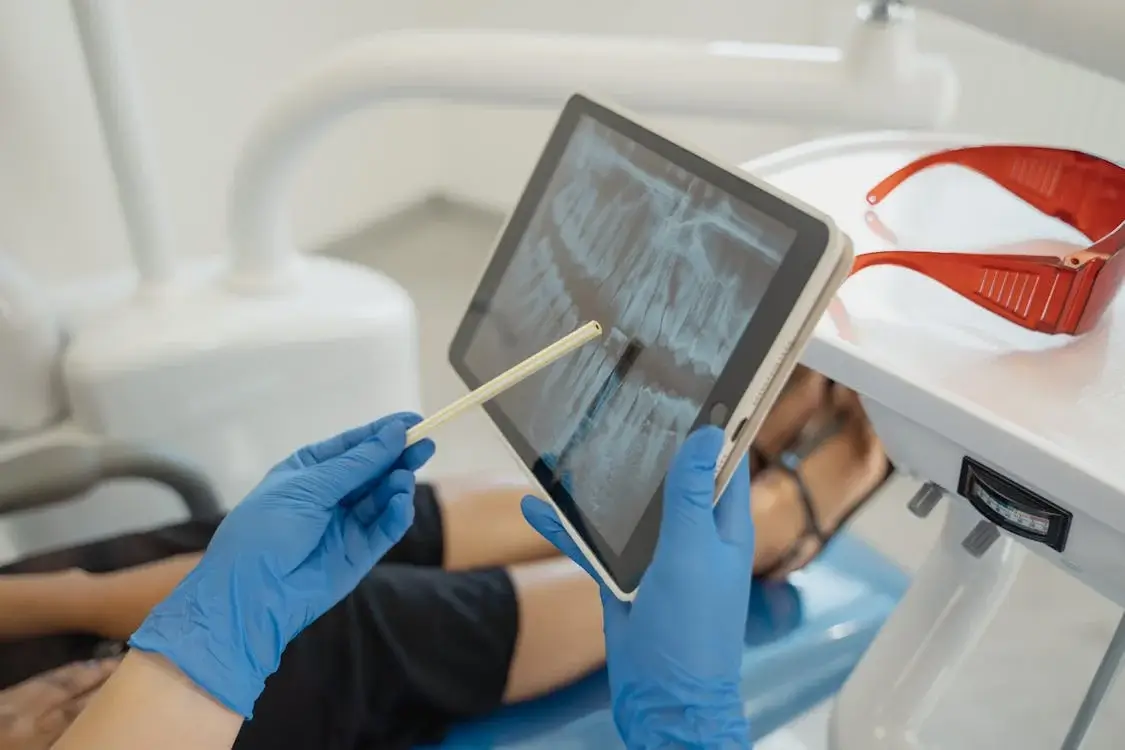
- Whether you decide on traditional braces or Invisalign aligners, our dental assistants take a comprehensive scan of your teeth with an advanced digital scanner. We utilize a full, accurate model of your teeth and gums to make the final decision on which route is best.
- If braces are the best option for you, we’ll undergo the bonding process and set up a schedule for 4-6 week adjustments. For Invisalign, you will get a new set of aligners every 1-2 weeks, with check-ups every 4-6 weeks to monitor progress.
- Treatment duration depends on the severity of the orthodontic issue. Traditional braces can take 1-3 years, while Invisalign treatments vary based on individual needs and how often the aligners are worn. Invisalign treatments can last from a few months to a year or more.
- After treatment is complete, we’ll discuss the necessity of retainers. A-Dental Center offers convenience, local availability, and advanced dental technology to ensure success, regardless of what orthodontic method is required.
Aftercare & Retainers
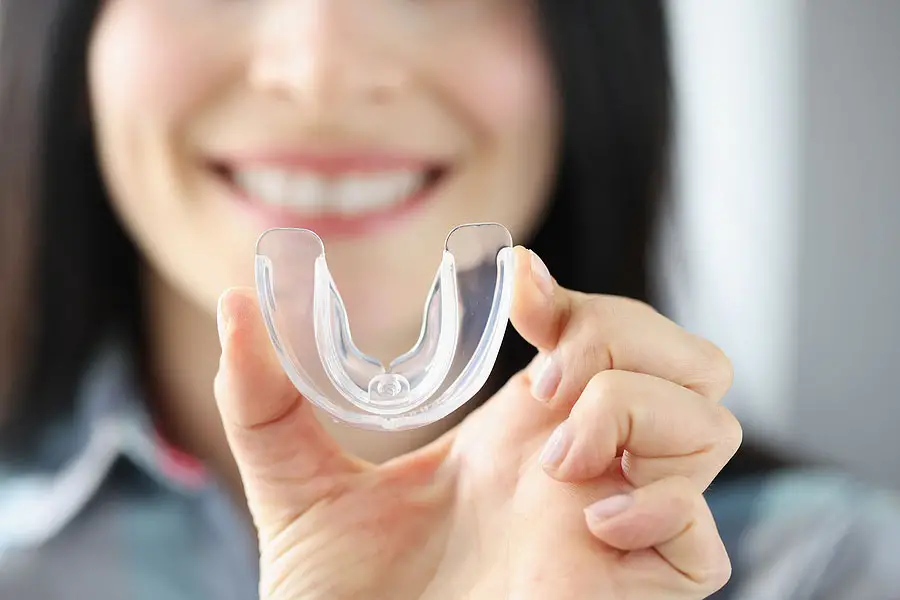
Retainers are important after both Invisalign and traditional braces to ensure long-term results. Retainers prevent teeth from shifting back into their original positions and hold teeth steady during work, play, and sleep. By preventing dental relapse, retainers help bone and tissues solidify, reinforcing the time, effort, and investment of your orthodontic treatment. As you wear retainers, you preserve your alignment, bite, and overall oral health.
Cost of Invisalign vs Braces in North Hollywood, CA
The full overview of Invisalign and braces costs in North Hollywood takes into account local fees, insurance coverage, and financing plans. Bear in mind that some offices may only advertise generalized sticker prices, and not cover the total cost of full treatments, which include consultations, adjustments, retainers, and more.
Invisalign costs can vary widely. After insurance, costs can range from $50 to $250 a month, with the total cost based on doctor’s fees, insurance coverage, and length of treatment. Total dental costs can be lowered by insurance, HSA/FSA benefits, and financing. Your doctor may offer flexible payment options, or a discount for paying for the procedure all at once. You can schedule a consultation with an Invisalign provider and speak with your dentist about estimates and find out how much your insurance will cover.
Traditional braces can cost between $3,000 and $10,000 in the North Hollywood area, depending on what type of braces you need, the severity of your treatment, and how long you need to wear them. You also need to consider additional general dentistry services that may be necessary. We recommend speaking with your dentist about possible payment plans, as you may be able to spread the cost out over a number of years, reducing the average cost per month to a manageable figure partially covered by insurance and financing.
Invisalign vs Braces FAQs
Check out our Invisalign Frequently Asked Questions to learn more about the treatment.
How long does Invisalign treatment take compared to traditional braces?
Treatment durations for Invisalign can last from 3 to 18 months, depending on the case. It’s often the faster option compared to traditional braces treatments, which can last up to 3 years or more.
Are there any foods I should avoid with traditional braces?
Many common foods can damage braces or brackets, while Invisalign aligners can be removed during meal time (though there are some food restrictions). Invisalign aligners should be worn up to 22 hours a day, though the ability to remove them for eating and cleaning is an appealing option for patients worried about the permanence of traditional braces.
Is Invisalign more expensive than traditional braces?
You’ll need to speak with your doctor to find out the final estimate for Invisalign versus braces in your area, though treatment length, materials, and office visits can add up, altering the potential estimate for either treatment. Local pricing considerations in North Hollywood, plus insurance and financing options, can make both Invisalign and traditional braces more affordable.
Can I switch from traditional braces to Invisalign?
While your orthodontist may allow you to switch mid-treatment, it entirely depends on your dental condition and is up to the evaluation of your doctor.
If the braces have completed the major movements required, Invisalign may be able to handle the fine-tuning of your remaining treatment. Your doctor must assess your specific case, progress, and remaining goals. Switching mid-treatment also involves new costs, timeline changes, and the commitment to wearing your removable aligners as much as possible.
How to Choose the Right Option at A-Dental Center
A-Dental Center is your trusted local expert in dentistry and orthodontic treatments. If you’re trying to decide between Invisalign and traditional braces, schedule a FREE consultation with A-Dental Center today. Enjoy personalized assessments, modern technology, and experienced orthodontists who consider age, lifestyle, dental complexity, and aesthetic preferences to design the right treatment plan for you.
Book a Free Orthodontic Consultation Today
Contact us at A-Dental Center today for a FREE orthodontic consultation. Your free evaluation allows us to look at personalized treatment plans, and the local convenience of choosing A-Dental Center means you will have the best treatment possible in North Hollywood.