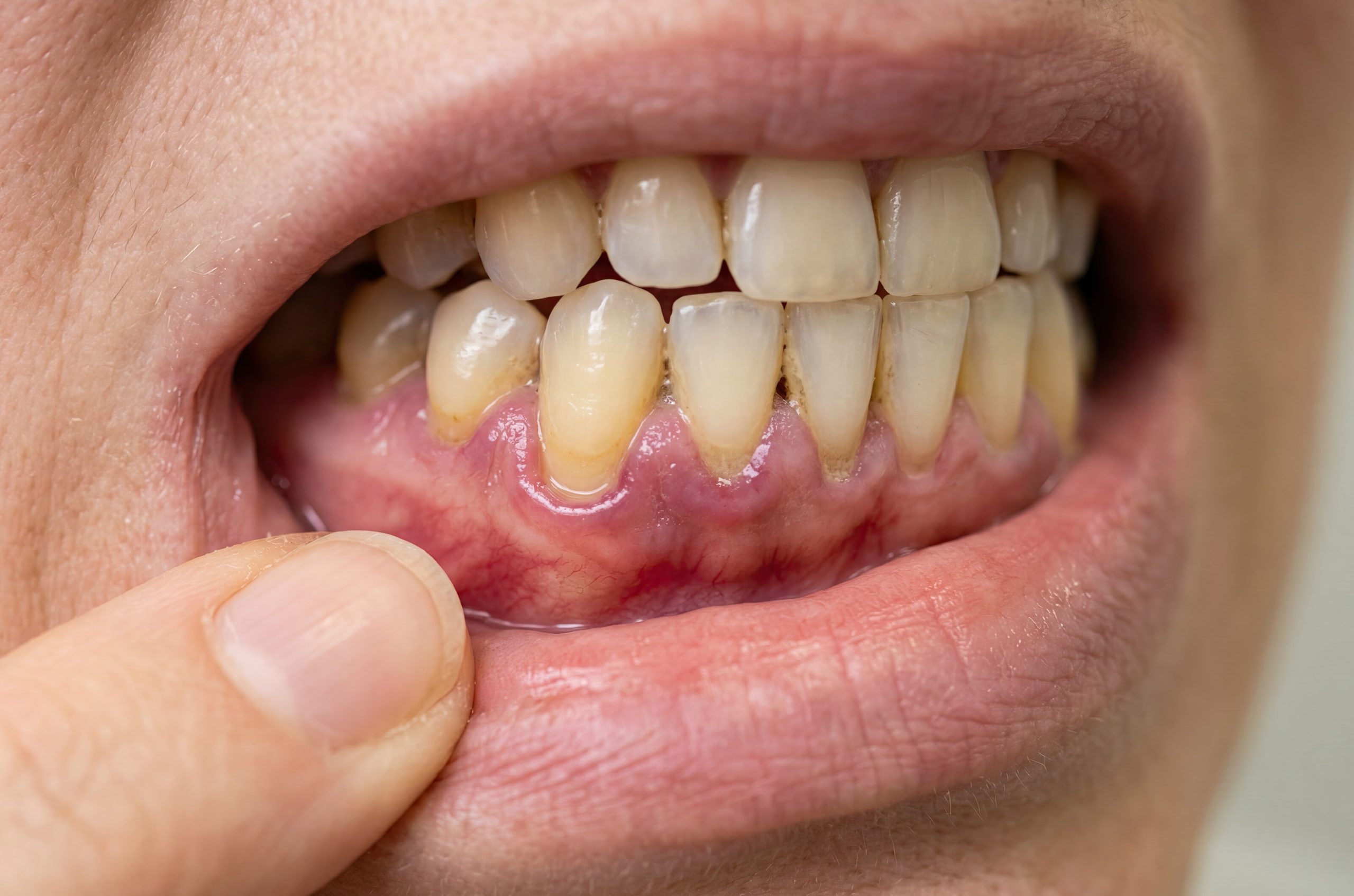
Gum recession in North Hollywood is a common condition that makes teeth look longer and causes sensitivity at the gum line. It usually develops slowly, so many people do not notice it until real damage has happened.
This guide explains what gum recession is, what causes it, whether it can be reversed, and how to stop receding gums from getting worse. If you already have signs of gum disease, our gum disease treatment page covers the care we provide.
What Is Gum Recession in North Hollywood?
How Gum Recession Actually Develops
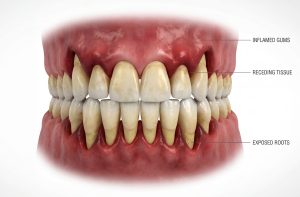
Gum recession happens when the gum tissue around a tooth pulls back or wears away, exposing more of the tooth’s root. The root has no protective enamel. It is covered by a softer layer called cementum, which makes it more prone to sensitivity, decay, and further damage.
Recession usually happens gradually over years. As a result, many patients only notice it once it has progressed.
Gum recession is not limited to older adults. Some people inherit a tendency toward it, and several avoidable habits can contribute to it in teens and younger adults too.
The Earliest Warning Sign
One of the earliest signs of gum recession is sensitivity at the gum line. If cold drinks cause a sharp twinge, our post on why teeth hurt when drinking cold water explains what is happening at the root surface and why that sensitivity should not be ignored.
What Causes Gum Recession in North Hollywood?
Periodontal Disease and Plaque Buildup
Periodontal disease is the most common cause of gum recession. It starts with plaque, the sticky film of bacteria that forms on teeth every day. Left alone, plaque hardens into tartar, which only a dental professional can remove, and pockets can form below the gum line where bacteria keep spreading.
If you have noticed bleeding gums when brushing, that is often the first visible sign that gum disease is developing. The CDC recommends brushing twice a day, flossing daily, getting regular professional cleanings, and having a dental checkup at least once a year to keep gum disease from damaging the tissue that supports your teeth.
Brushing Too Hard
If your toothbrush bristles splay outward within a few weeks, you are probably brushing too hard, and that pressure can wear away gum tissue. The American Dental Association recommends a soft bristled brush, since firmer bristles can damage gums and enamel.
You do not need heavy pressure to remove plaque. Use small, gentle circles along the gum line. Floss gently, too: guide the floss between teeth and curve it around each tooth instead of snapping it into the gums.
Genetics, Thin Gum Tissue, and Tooth Position
Some people naturally have thinner gum tissue, sometimes called a thin gingival phenotype. Teeth that sit too far forward in the jaw or crowd against each other can also have less gum and bone covering them. In these spots, ordinary brushing pressure can cause recession faster than elsewhere.
This is one reason recession sometimes shows up on just one or two teeth. If you notice it on a single tooth, especially one that sits slightly out of line, mention it at your next visit. Straightening a tooth with orthodontics does not automatically reverse recession that has already happened, but knowing the cause helps us plan the right prevention for that spot.
Tobacco Use
Smoking and chewing tobacco both damage gum tissue. Tobacco use is also one of the main risk factors for advanced periodontal disease.
Teeth Grinding
Teeth grinding, also called bruxism, is not usually a leading cause of recession on its own. We check for it when recession appears alongside worn teeth or a sore jaw, since the extra bite force can contribute for some patients.
The Cleveland Clinic notes that a custom mouth guard protects teeth during sleep, and that stress reduction can also help, since stress is a common driver of grinding. Our post on how to stop grinding your teeth at night covers how a custom night guard works.
Other Factors
Lip or tongue piercings can wear away gum tissue in one spot through repeated contact with the jewelry.
According to the American Academy of Periodontology, gum disease affects a large share of adults and is one of the leading reasons patients seek periodontal care.
Can Gum Recession in North Hollywood Be Reversed?
Early gum inflammation can often be reversed, but gum tissue that has truly receded does not grow back on its own. The answer depends on the cause and how far it has progressed.
When Early Gum Disease Can Be Reversed
Early inflammation from gum disease, called gingivitis, can often be reversed with a professional cleaning and better home care. Once the infection is gone, swollen gum tissue can settle back somewhat. Our post on why gums bleed when brushing explains this in more detail. Catching gum disease at this stage is the best way to avoid permanent recession.
When True Recession Cannot Be Reversed Naturally
True recession, where the gum has pulled back and left the root exposed, cannot be reversed naturally. However, it can often be treated with a gum graft.
What a Gum Graft Involves
A gum graft, also called a connective tissue graft, takes tissue from the roof of the mouth or a tissue bank and places it over the exposed root. It is a well established procedure that can restore coverage, reduce sensitivity, and protect the root from further damage. Your dentist will explain what to expect in your specific case.
The Mayo Clinic notes that untreated periodontitis can lead to bone loss and tooth loss, which is why early care matters.
How Do You Stop Receding Gums From Getting Worse?
The fastest way to stop receding gums from getting worse is to find what is damaging the gum tissue, such as a hard toothbrush, untreated plaque, tooth position, or thin tissue, and then fix it with better daily habits and professional care. Most of these fixes are small daily changes.
Whether or not you need a gum graft, stopping progression is the priority. These steps make the biggest difference:
- Switch to a soft bristled toothbrush and use gentle circular motions instead of scrubbing
- Floss gently every day, curving the floss around each tooth instead of snapping it into the gums
- Treat underlying gum disease with a professional cleaning or deep cleaning, since removing tartar below the gum line is essential
- Address teeth grinding with a custom night guard if your dentist finds signs of it
- Quit tobacco, which damages gum tissue and speeds up gum disease
- Keep regular dental checkups so recession sites can be monitored over time
Understanding the Consequences of Waiting
If recession has progressed to the point where teeth feel loose or bone loss is suspected, our post on how many teeth adults have and what happens when you lose one shows what is at stake. Early treatment almost always leads to simpler care.
For an overview of what dental care costs in North Hollywood, read our post on how much a dentist costs in North Hollywood. The National Institute of Dental and Craniofacial Research also explains how gum disease is treated at each stage.
When Should You See a Dentist About Receding Gums?
Every case of gum recession is a little different, so the most reliable next step is a real exam rather than guesswork. At A-Dental Center in North Hollywood, Dr. Fadi Elzayat, DDS, FICOI, checks your gum line, tooth position, brushing pattern, periodontal health, and bite to find what is contributing to your recession, then builds a plan around it.
Dr. Elzayat is a graduate of the USC Herman Ostrow School of Dentistry with more than 20 years of experience treating patients across North Hollywood and the San Fernando Valley. You do not need visible symptoms to benefit from a checkup. Catching the early, reversible stage of gum inflammation is always easier than treating recession later.
If you have noticed your teeth looking longer or sensitivity at the gum line, call (818) 593-0700 or book online to have it checked.
Frequently Asked Questions
How do I stop receding gums from getting worse?
Switch to a soft bristled toothbrush with gentle pressure, keep up with professional cleanings to remove plaque before it hardens into tartar, and ask your dentist to check whether tooth position, thin gum tissue, or teeth grinding plays a role. These changes address the most common causes we see in North Hollywood patients.
Can receding gums grow back on their own?
No. Once gum tissue has truly receded, it does not grow back naturally. The earlier stage of gum inflammation, before true recession, can often be reversed with a professional cleaning and better home care. If recession has already happened, a gum graft can often restore coverage.
Does teeth grinding cause gum recession?
Teeth grinding is not usually a leading cause on its own, but it can contribute for some patients, especially when recession appears alongside worn teeth or a sore jaw. A custom night guard fitted by your dentist is the most common first step.
Is brushing too hard really bad for your gums?
Yes. Firm bristles combined with heavy pressure are one of the most common causes of gum recession we see. A soft bristled brush and gentle, circular strokes clean teeth just as well without wearing away gum tissue.
When should I see a dentist about receding gums?
As soon as you notice sensitivity, visible root exposure, or gums that look like they have pulled back from a tooth. Earlier visits mean more of your case can be managed with prevention instead of treatment. Call (818) 593-0700 to schedule.
The content on this blog is not a substitute for professional medical advice, diagnosis, or treatment. Always ask a qualified dental provider about any questions you have regarding your oral health.
Related: Gum Disease Treatment · Gum Disease Symptoms