
How Much Does a Dental Crown Cost in 2026? (With and Without Insurance)
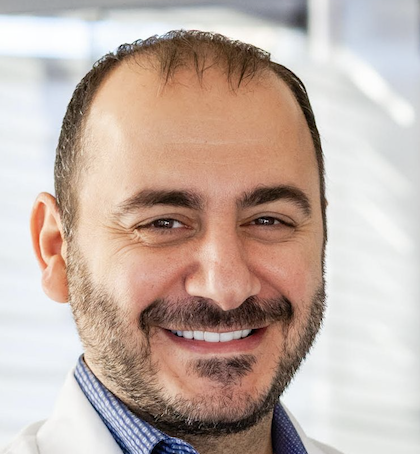
TL;DR: A dental crown costs $800 to $3,000 per tooth without insurance in 2026. With dental insurance, most patients pay $300 to $900 out of pocket. The final price depends on the crown material, your location, and whether you need additional treatment like a root canal or buildup. Financing through CareCredit or Cherry can spread payments over up to 60 months. Call (818) 593-0700 for a personalized quote. Your dentist just told you that you need a dental crown. Your first question is probably about the dental crown cost. That is completely normal. Crowns are one of the most common restorative procedures in dentistry, and the price tag matters, especially if you are paying out of pocket. The short answer: expect to pay between $800 and $3,000 per tooth in 2026, depending on the material and complexity of your case. That range is wide because crown materials vary significantly in strength, appearance, and lab fees. At A-Dental Center in North Hollywood, Dr. Fadi Elzayat works with every patient to find the right crown at a price that fits their budget, with financing options to make it even more manageable. This guide breaks down exactly what drives dental crown costs, what each material costs, how insurance affects your bill, and how to save money on your crown in North Hollywood and the greater Los Angeles area. Reviewed by Dr. Fadi Elzayat, DDS, FICOI
USC Herman Ostrow School of Dentistry graduate | 20+ years of restorative dentistry experience | 700+ Five Star Google & Yelp Reviews | A-Dental Center, North Hollywood, CA | Last Updated: July 2026
View Dr. Elzayat’s Full Biography →
For crown materials and what to expect, see our dental crowns page.
Reviewed by Dr. Fadi Elzayat, DDS, FICOI
USC Herman Ostrow School of Dentistry graduate | 20+ years of restorative dentistry experience | 700+ Five Star Google & Yelp Reviews | A-Dental Center, North Hollywood, CA | Last Updated: July 2026
View Dr. Elzayat’s Full Biography →
For crown materials and what to expect, see our dental crowns page.
How Much Does a Dental Crown Cost Without Insurance?
Direct Answer: Without insurance, a dental crown costs between $800 and $3,000 per tooth in the United States in 2026. Most patients pay between $1,000 and $1,800 for a standard porcelain or zirconia crown. In California, prices typically fall between $1,150 and $2,600 due to higher overhead costs.| Crown Type | Typical Cost Range |
|---|---|
| Porcelain Fused to Metal (PFM) | $900 to $1,800 |
| Porcelain / All Ceramic | $1,000 to $2,500 |
| Zirconia | $1,200 to $2,500 |
| Gold / Metal Alloy | $900 to $2,500 |
| Same Day CEREC | $1,000 to $2,000 |
What Is Included in the Cost of a Dental Crown?
Direct Answer: The quoted price for a dental crown typically covers the full procedure from start to finish: examination, X-rays, tooth preparation, a temporary crown, the permanent crown itself, final cementation, and bite adjustments. When your dentist quotes you a price for a dental crown, it usually includes everything involved in placing that crown. Here is what is covered: ✔ Examination and evaluation of the damaged tooth ✔ Digital X-rays to assess the tooth structure and root health ✔ Tooth preparation (reshaping the tooth to fit the crown) ✔ Impressions or digital scans using an iTero scanner ✔ Temporary crown to protect the tooth while the permanent crown is made ✔ Permanent crown fabricated by a dental lab ✔ Final cementation and placement of the permanent crown ✔ Bite adjustments to ensure comfortable chewing If your tooth also needs a root canal, core buildup, or post, those are typically billed as separate procedures. Always ask your dentist for a complete written estimate that itemizes every charge so there are no surprises.How Much Does a Dental Crown Cost With Insurance?
Direct Answer: With dental insurance, you can expect to pay $300 to $900 out of pocket for a crown. Most plans classify crowns as a major restorative procedure and cover approximately 50% of the allowed amount after your deductible is met. Here is how the math typically works. If your crown costs $1,400 and your plan covers 50%, your insurer pays $700. You pay the remaining $700, minus any deductible you have already met. The Cleveland Clinic confirms that most dental plans cover crowns at 50% when the procedure is medically necessary. Keep in mind that most dental insurance plans have an annual maximum of $1,000 to $2,000. A single crown can use up a large portion of that limit. If you need additional dental work in the same year, plan accordingly. Always request a pre-authorization from your insurance company before scheduling your crown so you know your exact out-of-pocket cost before treatment begins.| Coverage Type | Typical Patient Cost | Notes |
|---|---|---|
| PPO Insurance | $300 to $900 | 50% coverage after deductible |
| HMO Insurance | $200 to $600 | Lower cost, limited provider choice |
| No Insurance | $800 to $3,000 | Full out of pocket |
| A-Dental Membership Plan | Reduced rate | No waiting periods, no annual max |
| Medi-Cal (Denti-Cal) | Little to no cost | Prior authorization required |
When Do You Need a Dental Crown?
Direct Answer: Your dentist may recommend a crown when a tooth is too damaged for a filling but can still be saved. Common reasons include large cavities, cracked teeth, teeth that have had root canal treatment, and severely worn-down teeth. Not every dental problem needs a crown. Here are the most common situations where a crown is the right solution: Large filling that has weakened the tooth: When a filling covers more than half the tooth, the remaining tooth structure may not be strong enough to support it. A crown holds everything together and prevents fracture. Cracked or fractured tooth: A crack that extends below the gum line can cause pain and sensitivity. A crown covers and protects the tooth, preventing the crack from spreading. After root canal treatment: A tooth that has had a root canal becomes more brittle over time. A crown protects it from breaking during normal chewing. Severely worn-down teeth: Teeth that have been worn down by grinding (bruxism) or acid erosion may need crowns to restore their proper height and function. Dental implant restoration: When a missing tooth is replaced with a dental implant, a crown is placed on top of the implant post to serve as the visible tooth. Cosmetic improvement: A crown can improve the appearance of a severely discolored, misshapen, or undersized tooth when other cosmetic options are not suitable.What Types of Dental Crowns Are Available and What Does Each Cost?
Direct Answer: There are five main types of dental crowns: porcelain/ceramic ($1,000 to $2,500), zirconia ($1,200 to $2,500), porcelain fused to metal ($900 to $1,800), gold/metal alloy ($900 to $2,500), and same-day CEREC crowns ($1,000 to $2,000). The right choice depends on the tooth’s location, your bite, and your cosmetic preferences.| Crown Type | Price Range | Best For | Typical Lifespan |
|---|---|---|---|
| Porcelain / Ceramic | $1,000 to $2,500 | Front teeth | 10 to 15 years |
| Zirconia | $1,200 to $2,500 | Front and back teeth | 15 to 20 years |
| Porcelain Fused to Metal (PFM) | $900 to $1,800 | Back teeth | 10 to 15 years |
| Gold / Metal Alloy | $900 to $2,500 | Back molars | 15 to 30+ years |
| Same Day CEREC | $1,000 to $2,000 | Any tooth (single visit) | 10 to 15 years |
Why Are Dental Crowns So Expensive?
Direct Answer: Dental crowns are expensive because they involve custom lab fabrication, precision dental work across multiple appointments, and high-quality materials. Each crown is made specifically for your tooth, which requires impressions, temporary fittings, and specialized dental lab work. Here is what goes into the cost of a dental crown: Lab fees: A dental laboratory custom-builds your crown from the impression your dentist takes. Lab fees alone can range from $150 to $500, depending on the material and the lab’s location. Labs in major cities like Los Angeles charge more because their costs are higher. Materials: Dental-grade zirconia and porcelain are medical-grade materials with strict quality standards. Gold crowns use actual precious metal, which directly affects cost based on market prices. Multiple visits: A traditional crown typically requires two office visits: one for preparation, impressions, and a temporary crown, and a second for the permanent crown placement. Each visit includes the dentist’s time, chair time, and clinical overhead. Dentist expertise: Placing a crown correctly requires precision. A poorly fitted crown leads to decay, discomfort, or early failure. Experienced dentists like Dr. Fadi Elzayat, who holds a Fellowship from the International Congress of Oral Implantologists (FICOI) and graduated from the USC Herman Ostrow School of Dentistry, bring the skill needed for long-lasting results. When you consider that a well-placed crown protects your tooth for 10 to 15 years on average, and often longer, the per year cost becomes much more reasonable. The Cleveland Clinic notes that crowns commonly last 5 to 15 years with routine care, and many last 20 years or more. [Recommended image: Real photo of crown try-in procedure at A-Dental Center, alt text: dental crown being placed on a prepared tooth during a crown try-in at A-Dental Center North Hollywood]How to Save Money on a Dental Crown
If the cost of a dental crown feels out of reach, there are several practical ways to lower your out-of-pocket expense. At A-Dental Center, we work with every patient to find a payment solution that works. Insurance Verification: Before your appointment, the A-Dental Center team verifies your insurance benefits and provides a clear breakdown of what your plan covers. This eliminates guesswork and ensures you know your exact cost before treatment begins. In-House Membership Plan: If you do not have dental insurance, the A-Dental Center membership plan offers discounts on restorative procedures, including crowns. There are no waiting periods, no annual maximums, and no claim forms to file. Flexible Financing through CareCredit or Cherry: Both financing partners are accepted at A-Dental Center and offer plans with up to 60 months of payments. Many patients qualify for low-interest or promotional interest-free periods. This can turn a $1,500 crown into manageable monthly payments. Transparent Written Estimates: A-Dental Center provides a detailed written estimate before any treatment begins. Every line item is explained so you understand exactly what you are paying for. No hidden fees, no surprises. Prioritize the right material: Not every tooth needs the most expensive crown. A back molar that nobody sees may do perfectly well with a PFM crown at $900 to $1,800 rather than a premium zirconia crown. Your dentist can help you choose the material that balances cost and longevity for each specific tooth. Do not delay treatment: Waiting too long when your dentist recommends a crown can lead to more expensive problems. A cracked tooth that could have been saved with a crown may eventually need a root canal or even extraction and a dental implant, which costs significantly more. [Recommended image: Real photo of a patient consultation at A-Dental Center with Dr. Elzayat reviewing treatment options, alt text: Dr. Elzayat discussing dental crown cost and financing options with a patient at A-Dental Center North Hollywood]How Much Does a Dental Crown Cost in North Hollywood and the San Fernando Valley?
Direct Answer: In the North Hollywood and greater Los Angeles area, dental crowns typically cost $800 to $3,000 per tooth. California dental costs run 20% to 30% higher than the national average due to higher operating expenses, lab fees, and cost of living. According to a ZocDoc pricing guide for Los Angeles, crown prices in LA range from $800 to $3,000, depending on the material and case complexity. A state-by-state comparison by RealDentalCosts.com places California in the $1,150 to $2,600 range for a single porcelain or ceramic crown, among the highest in the country. At A-Dental Center, Dr. Fadi Elzayat provides transparent pricing and a detailed cost breakdown before any treatment begins. With 20 plus years of experience and over 700 five-star reviews on Google and Yelp, patients trust A-Dental Center for honest, quality dental care at fair prices. You can book a consultation through ZocDoc or call (818) 593-0700 for a personalized crown estimate. A-Dental Center is located at 11335 Magnolia Blvd, Suite 1a, North Hollywood, CA 91601. We welcome patients from across the San Fernando Valley, including Burbank, Studio City, Toluca Lake, Sherman Oaks, Van Nuys, Valley Village, and Glendale. Se Habla Español. No insurance? Ask about the in-house membership plan for discounted pricing on crowns and other restorative procedures, with no waiting periods.
Need a Dental Crown?
Schedule a consultation with Dr. Fadi Elzayat at A-Dental Center. ✔ Transparent Pricing with Written Estimates ✔ Insurance Verification Before Your Visit ✔ Flexible Financing through CareCredit and Cherry ✔ Same Day Emergency Appointments Available ✔ In-House Membership Plan for Uninsured Patients Book Appointment: Schedule Online Through ZocDoc Call Now: (818) 593-0700 A-Dental Center | 11335 Magnolia Blvd Suite 1a, North Hollywood, CA 91601 | Se Habla Español ⭐⭐⭐⭐⭐
I just got a root canal and crown. Great experience!! Dr. Fadi has true talent that I think comes naturally! They’ve earned my business for life! Been coming here for 10 years!
Matthew verified Google review
⭐⭐⭐⭐⭐
I just got a root canal and crown. Great experience!! Dr. Fadi has true talent that I think comes naturally! They’ve earned my business for life! Been coming here for 10 years!
Matthew verified Google review
Frequently Asked Questions About Dental Crown Costs
How long does a dental crown last?
Most dental crowns last 10 to 15 years with proper care, though many last 20 years or longer. Gold and zirconia crowns tend to last the longest. According to the Cleveland Clinic, regular brushing, flossing, and dental checkups are the biggest factors in extending crown lifespan. Avoiding hard foods and wearing a night guard if you grind your teeth also helps.Does getting a dental crown hurt?
No, the procedure should not be painful. Your dentist uses local anesthesia to numb the tooth and surrounding area before preparing it for the crown. You may feel minor sensitivity for a few days after placement, but this typically resolves quickly. A-Dental Center also offers sedation dentistry for patients with dental anxiety who want extra comfort during the procedure.Can I get a dental crown in one visit?
Yes, same-day crowns are possible with CEREC technology, which uses digital scanning and in-office milling to create a crown in a single appointment. Same-day crowns typically cost $1,000 to $2,000. Not every case qualifies for a same-day crown, so your dentist will let you know if this option works for your situation.Are dental crowns covered by Medi-Cal in California?
Yes, Medi-Cal (Denti-Cal) covers dental crowns for adults in California in 2026, including porcelain, ceramic, and zirconia crowns under CDT code D2740. Crowns require prior authorization, which means your dentist submits documentation to Medi-Cal before treatment. The California DHCS confirmed that full adult dental benefits, including crowns, remain covered through 2026.What happens if I delay getting a dental crown?
Delaying a recommended crown puts the tooth at risk for further damage. A weakened or cracked tooth can break under normal chewing pressure, potentially requiring extraction or a root canal, both of which cost more than a crown. In the worst case, you may lose the tooth entirely and need a dental implant ($2,799 or more at A-Dental Center). Getting the crown sooner almost always saves money in the long run.Related: Dental Crowns · Cracked Teeth Treatment
Further reading: How Much Do Veneers Cost
Related: Post & Core