
How Long Does a Root Canal Take?
When you’re dealing with tooth pain, there’s only one thing you’re hoping for: relief, fast. And when the dentist suggests...
Dr. Fadi Elzayat is a seasoned dentist and proud graduate of USC School of Dentistry. With over 20 years of experience, Dr. Elzayat is the heart of A-Dental Center in North Hollywood, where he leads a dedicated team providing exceptional dental care. Dr. Elzayat and our team excel in cosmetic dentistry, dental implants, & transformative All-On-4 procedures.
As a Fellow of the International Congress of Oral Implantologists and an active member of professional dental associations that include the San Fernando Valley Dental Association, the California Dental Association, and the American Dental Association, Dr. Elzayat upholds the highest standards of care.
Our team’s commitment to patient satisfaction ensures that each visit is not just about dental health but also about understanding and addressing individual needs. Serving the communities of North Hollywood, Burbank, Studio City, and Greater Los Angeles, we invite you to experience comfortable, stress-free care at A-Dental Center.
Call or schedule an office tour online to embark on a journey to a healthier, more beautiful smile.
We are proud to be able to offer emergency dental treatment using the following technology to ensure a comfortable and life-changing patient experience:
Dental visits should be comfortable and prioritize your health, even if you are seeking an emergency dentist near me. Many patients have understandable anxiety about pain, discomfort, or stress, especially if they are suffering from a severe toothache, a broken tooth, or havehad previous dental trauma. Need wisdom teeth extractions? A-Dental Center offers immediate emergency dentistry care that’s unique to you and your history. Help is available now—you are not alone!
Deep, untreated cavities can cause severe pain, facial swelling, and infections that require emergency fillings or root canal treatment. A-Dental Center offers immediate care to fix your cavities and prevent tooth loss.
Advanced gum disease can lead to painful inflammation, bleeding, or loose teeth, requiring urgent deep cleaning or antibiotics. Ignoring symptoms can result in permanent damage, and A-Dental Center offers quick, successful operations that fix gum disease and restore your health.
Cracked or broken teeth from a sports injury or biting hard foods can expose nerves and cause sharp pain, necessitating bonding, dental crowns, or extractions. If this happens to you, save your tooth fragments and call us right away!
Sinus infections can mimic tooth pain, especially in the upper jaw where sensitive nerves are plentiful. A-Dental Center can use X-rays to rule out dental abscesses and get to the heart of your sinus infection.
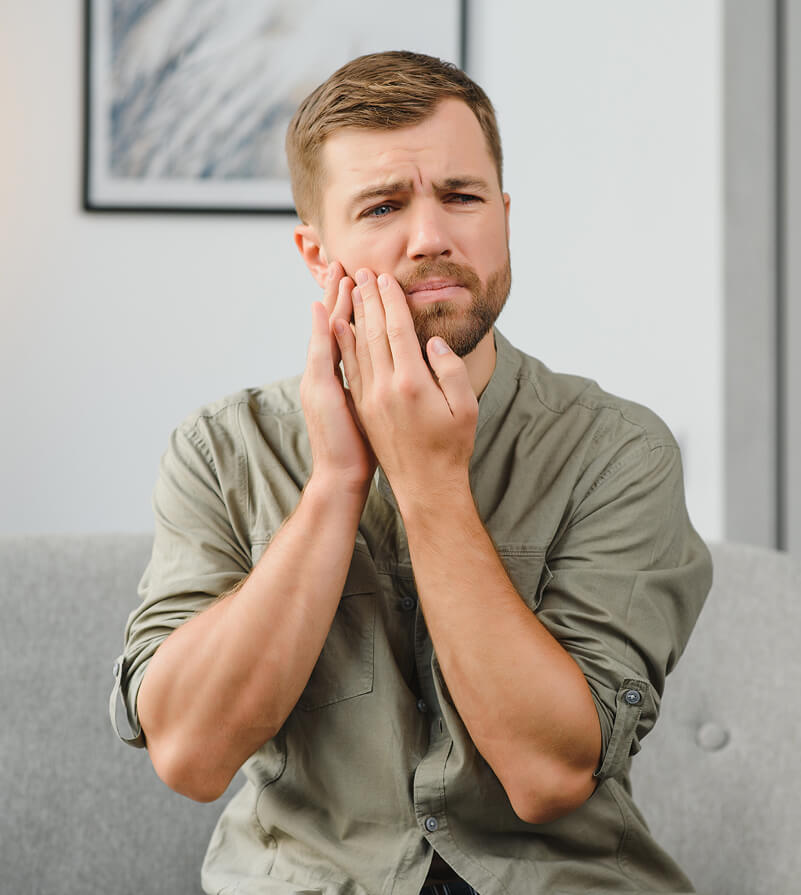
Rinse your mouth out with warm salt water to clean the affected area and reduce inflammation, or clean out debris causing you pain.
Ibuprofen or acetaminophen can offer temporary pain relief, but be careful using aspirin directly on your gums or teeth.
Be careful using heating pads or other hot compresses, as heat can actually worsen inflammation or spread the infection in some cases.
If you are experiencing any dental symptoms causing you pain, call A-Dental Center right away for a proper diagnosis and same-day emergency dental care. We are ready to give you the right treatment if pain persists or worsens.
Fillings are used to restore teeth damaged by cavities, preventing further decay, protecting the tooth area, and relieving pain from any exposed nerves.
Root canal therapy is a treatment for infected or severely decayed teeth, removing damaged pulp and sealing the root to save the tooth and fix the affected area. This pain-relieving, tooth-preserving procedure should be scheduled as soon as possible to reduce the chances of further infection.
If the tooth can’t be saved, you may need a dental implant. A-Dental recommends dental implants as a long-term replacement to restore both function and appearance.
Accidents, sports injuries, falls, and other traumatic physical events can cause immediate fractures or cracked teeth, requiring emergency dental care.
Perhaps one of the most common instances of broken teeth, chewing on hard foods like ice, nuts, or hard candy, which can lead to cracks, especially if your teeth are weakened by fillings or age.
Untreated cavities can weaken tooth structure, making your teeth prone to breaking or cracking under pressure.
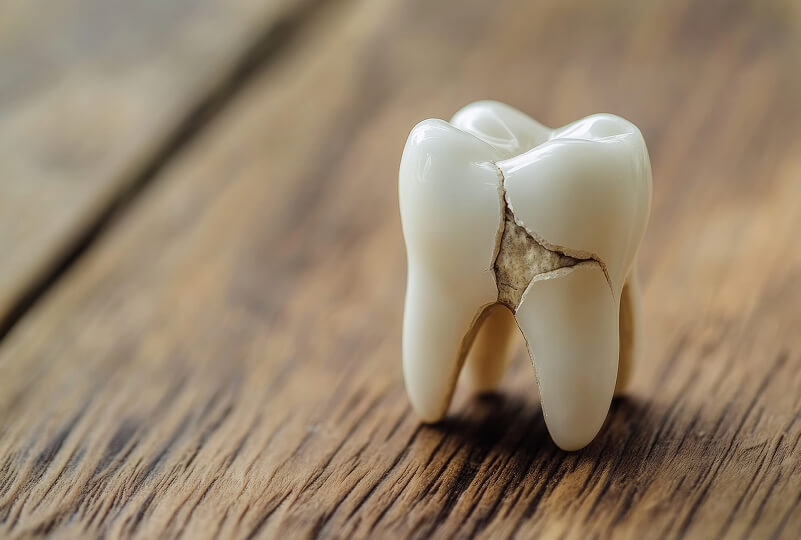
Gently rinsing out your mouth with warm salt water can help clean the area, reduce bacteria, minimize or prevent infection, and relieve pain after a tooth breaks or cracks.
Using a cold compress on your cheek near (but not directly on) the injury can minimize swelling and relieve pain until you’re able to visit A-Dental Center.
Patients are advised not to chew with their damaged tooth to prevent worsening the crack or causing further breakage. If you can’t visit A-Dental Center right away, consume liquid nutrients for the time being.
In the event of a cracked or broken tooth, you must call A-Dental Center right away so we can assess the damage, relieve pain, and preserve your tooth if possible.
Dental bonding is a process that uses tooth-colored resin to repair minor chips or cracks quickly and painlessly. This process is ideal for cosmetic fractures and can fix your smile promptly!
Crowns are used to cover and protect larger fractures or weakened teeth, restoring both function and appearance while ensuring your nerves and the affected area are restored.
Root canal therapy is a solution for cracks that break down to the pulp, helping to remove infection, relieve tooth pain, and save the natural tooth.
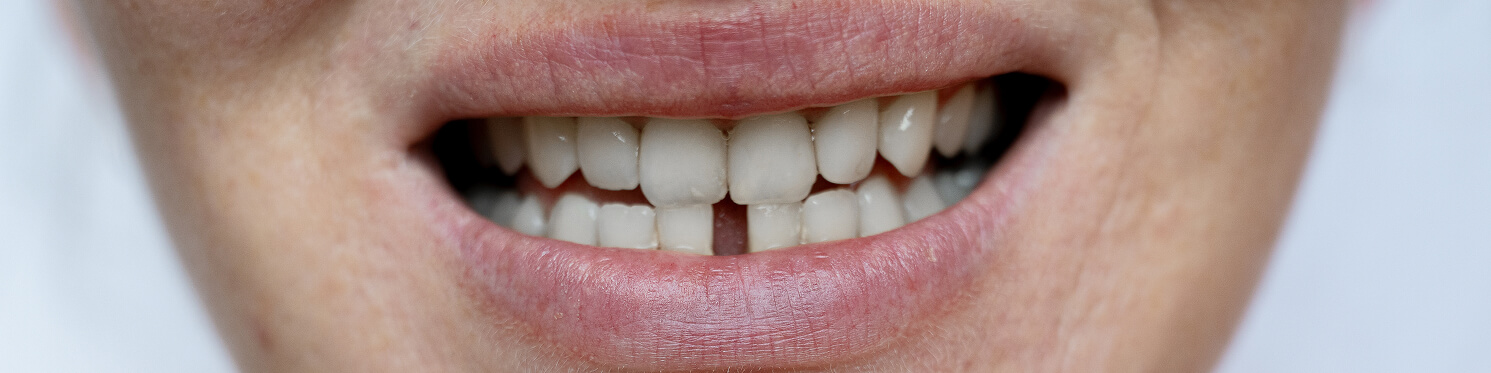
Patients should pick up the tooth by the crown (the tooth’s chewing surface) and not the root, to avoid damaging the delicate tissue needed for reattachment.
Gently rinse the removed tooth with clean water. Avoid scrubbing or using soap to preserve the viable root cells for surgery.
You can attempt to re-insert the tooth on your own, gently, by placing it into the socket and holding it in place with light pressure or gauze until the dentist can see you.
Seek immediate dental care within 60 minutes to give your tooth the best chance of restoration. Your dentist at A-Dental Center will be able to save the tooth and restore it to its proper place.
If a knocked-out tooth is treated quickly, reimplantation into the socket may be a successful operation, especially if it happens within the first hour of injury.
Root canal therapy is often needed after reimplantation to remove damaged pulp and clean the area so as to prevent infection while preserving the natural tooth.
If the tooth can’t be saved, you may need a dental implant. A-Dental recommends dental implants as a long-term replacement to restore both function and appearance.
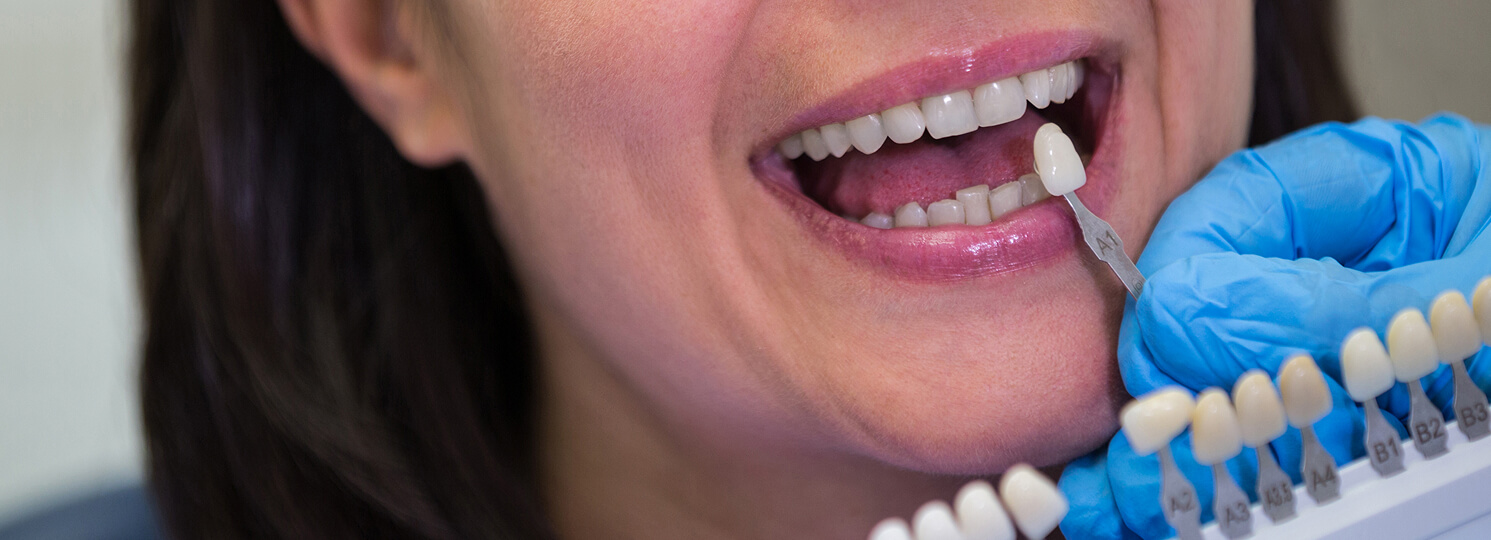
Gently rinsing the exposed area with warm salt water will keep it clean and prevent food debris or bacteria from entering the cavity.
Temporary dental cement (available at most pharmacies) can be used to protect the tooth until an A-Dental Center dentist can permanently restore it.
Be careful not to chew on the affected side where you lost your filling or crown to avoid further damage and pain.
Call A-Dental Center immediately to have your filling or crown professionally replaced, to avoid further tooth damage, sensitivity, and pain.
If the damage is minor after losing a filling or crown, your dentist may be able to clean the area and reattach/rebuild the existing filling or crown.
If the original crown is damaged or no longer fits, a new custom crown must be created. Your A-Dental Center dentist will fully restore your tooth’s function and appearance with a new crown or filling.
A dental abscess is a localized infection that can occur in various parts of the tooth, gums, or jaw. Symptoms may include severe pain, swelling, fever, and a bad taste in the mouth.
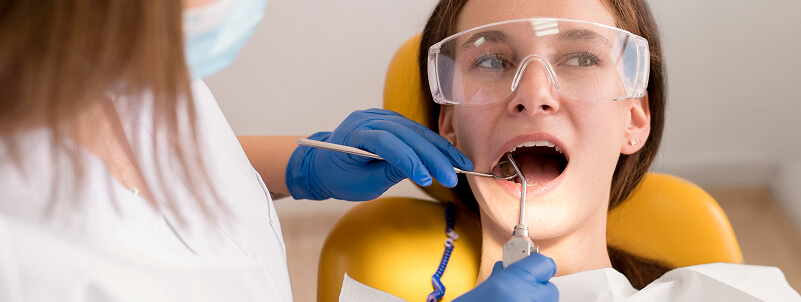
Gently rinse your mouth with warm salt water to help reduce bacteria, prevent infection, and ease discomfort. This is not a cure, and you need to have your A-Dental Center dentist examine you.
Do not poke, squeeze, or attempt to drain the abscess on your own. This can worsen the infection or spread bacteria.
Urgently seek dental care from A-Dental Center as soon as possible to safely treat the infection and prevent any forthcoming health complications.
Your dentist may make a small incision to drain the pus from the abscess, relieving pressure and starting the healing process.
Root canal therapy could be necessary if the infection reaches the tooth pulp. Your dentist will clean and seal the root, ensuring that your mouth is healthy and infection-free.
Your dentist will prescribe you antibiotics to control the infection, especially if swelling continues and spreads beyond the tooth or into your jaw/face.
Accidentally biting your tongue, cheek, or lip can cause painful swelling or bleeding, requiring attention if the wound is deep. Deep bites can also lead to infections.
Falls can result in cuts or bruises in your mouth, especially in children and older adults. These traumas should be evaluated for deeper damage.
Contact sports can lead to lip, gum, or tongue injuries caused by heavy impacts. Using a mouthguard can help prevent serious traumas, including losing teeth.
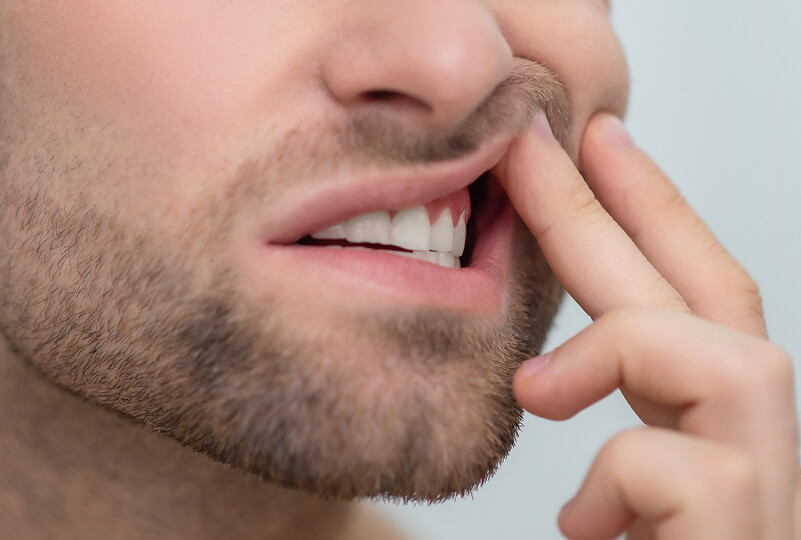
Rinse out your mouth with warm salt water to clean the affected area and reduce the risk of infection from cuts, abrasions, and damage.
You should use clean gauze or cloth to apply gentle pressure to the area to help stop bleeding.
Apply a cold compress to the outside of your mouth, on your cheek or jaw opposite the wound, to minimize swelling and reduce discomfort.
Call A-Dental Center if the bleeding doesn’t stop, or if the injury appears deep or infected.
Stitches may be needed for deep cuts in the lips, cheeks, or gums in order to control bleeding and promote proper healing.
Antiseptic gels and medicated rinses can be used to reduce pain, prevent infection, and support tissue recovery for minor soft tissue injuries.
Brackets or wires from braces and other orthodontic gear can become loose from eating hard foods or physical trauma. This can cause discomfort and requires prompt dental attention.
Wires sticking out can irritate the cheeks or gums, and can be temporarily covered with orthodontic wax until they can be repaired by an A-Dental Center dentist.
Broken retainers and braces can affect tooth alignment, and should be replaced or fixed as quickly as possible to prevent alignment relapse.
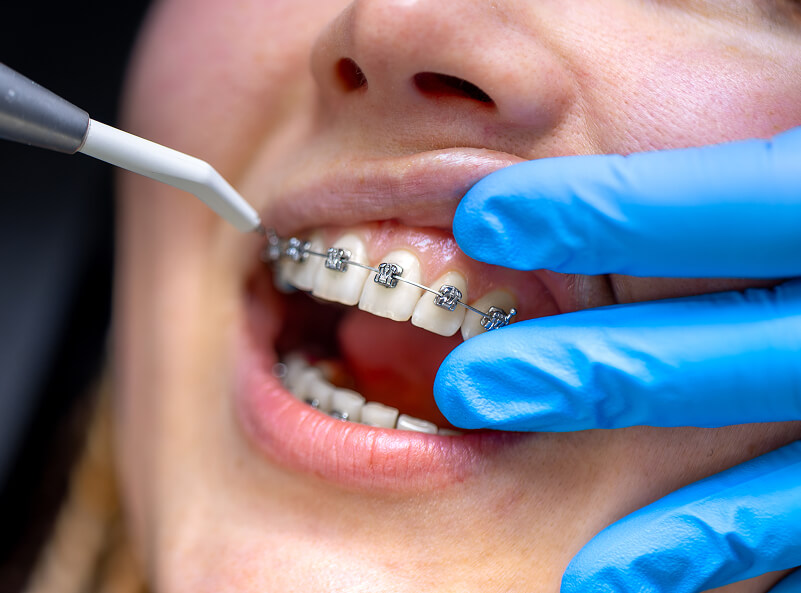
Applying orthodontic wax to reduce irritation from loosened or broken hardware can help until you’re able to visit your dentist or orthodontist.
If you break your retainer, keep all the pieces in a safe container and contact the A-Dental Center office so that a dental assistant can see you right away.
Don’t attempt to fix brackets, wires, or retainers on your own, as these can further damage or delay the treatment progress. You could break your retainer further, or even pierce one of your fingers with a broken wire.
Treatment may include rebonding loose brace brackets, trimming wires, or providing new appliances to ensure your orthodontic plan. If your retainer is broken beyond repair and you don’t have an extra one, your orthodontist will have to create a new retainer.
A new retainer will have to be created as soon as possible to ensure that you don’t lose orthodontic plan progress.
Car accidents, rough play, sports impacts, or other direct physical trauma can cause jaw fractures or dislocations requiring medical attention. You may need to visit multiple doctors, including your dentist.
Falls, or hitting your jaw hard, can lead to bruising, joint strain, or a fracture, especially in children or older adults.
Chronic teeth grinding or jaw clenching can strain muscles and joints in the jaw, leading to pain, tension, or TMJ (temporomandibular joint disorder) over time.
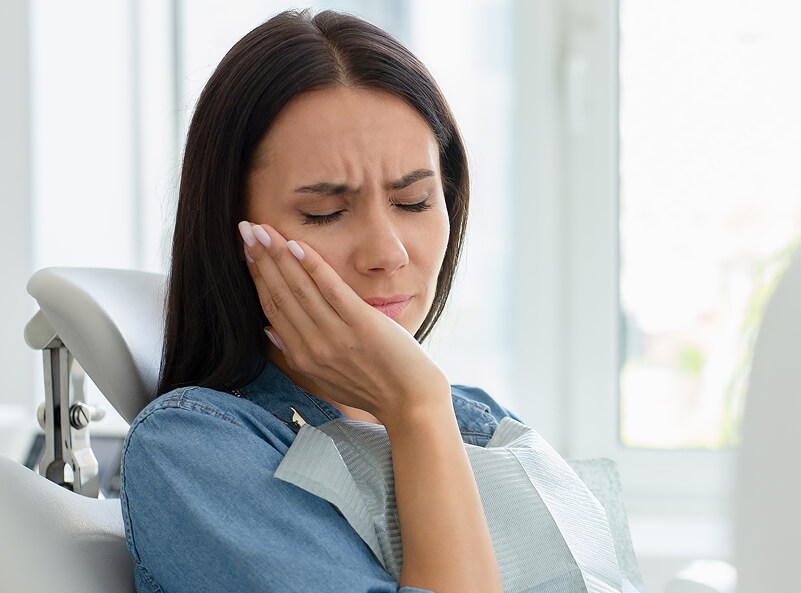
Using a cold compress on the jaw can reduce swelling, ease pain, and limit bruising after an injury, though if the jaw is broken or strained, you’ll want to seek medical help immediately.
Stick to soft foods to prevent further strain or damage to your jaw when healing. Try only taking liquid nutrients.
Schedule an immediate evaluation to assess the extent of the injury so that your doctor can begin treatment.
Dental X-rays or imaging may be needed to check for fractures, dislocations, or hidden joint problems. An A-Dental assistant will carefully X-ray your jaw to see if there is further damage.
Dental splints or night guards can help stabilize the jaw, especially in cases that involve teeth grinding, clenching, or joint pain. Your doctor may prescribe a mouth guard if you continue grinding your teeth.
Treatments may include anti-inflammatory medications, gentle jaw exercise, and hot/cold therapy to help restore function and comfort. You may be advised to manage your stress levels to prevent jaw clenching and teeth grinding.
Brushing, flossing, and regular cleanings can help prevent tooth decay, infection, and gum disease that might lead to infection, gum inflammation, cavities, and other oral issues.
Routine dental exams can help catch issues early before they become painful or urgent. Regularly seeing your A-Dental Center dentist will ensure that you are on the right track to good oral health, and they will advise you should any complications arise.
We recommend custom mouthguards if you play sports or grind your teeth at night, which protects against fractures, jaw injuries, and dental wear.
Some people have a habit of opening bottles or packages with their teeth, or otherwise using their teeth in dangerous ways that can lead to chips, cracks, or jaw strain. If you have any other questions, check out our emergency faqs.
It’s essential to know when to seek emergency dental care. If you experience any of the following, do not hesitate to contact A-Dental Center:
Dental emergencies can be stressful and painful, but you don’t have to face them alone. At A-Dental Center in North Hollywood, CA, Dr. Fadi Elzayat and our dedicated team are here to provide the urgent care you need. We are committed to alleviating your pain and restoring your oral health promptly.
If you experience a dental emergency, don’t hesitate to contact us. We are here to help you navigate your dental emergencies with compassion and expertise, ensuring you receive the care you deserve. Your smile is our priority, and we are dedicated to keeping it healthy and bright!
We are based in North Hollywood,
and proudly serve the following areas:
When you’re dealing with tooth pain, there’s only one thing you’re hoping for: relief, fast. And when the dentist suggests...
Invisalign versus braces—which is right for me? Choosing the right option is based on a number of factors, including your...
Hybrid Bridge Dental Implants combine the stability of dental implants with a fixed prosthetic bridge, creating a permanent full-arch tooth...
11335 Magnolia Blvd Suite #1a North Hollywood, CA 91601
Our friendly reception staff are standing by to assist you however possible! Call today 818-390-9308
Have a question? Feel free to send us a message and we will get back to you promptly!